
The NBA's Next Problem: Drafting for the Wembanyama Era
Evaluating which 2026 NBA Draft prospects have the tools to make life difficult for basketball's newest superstar.

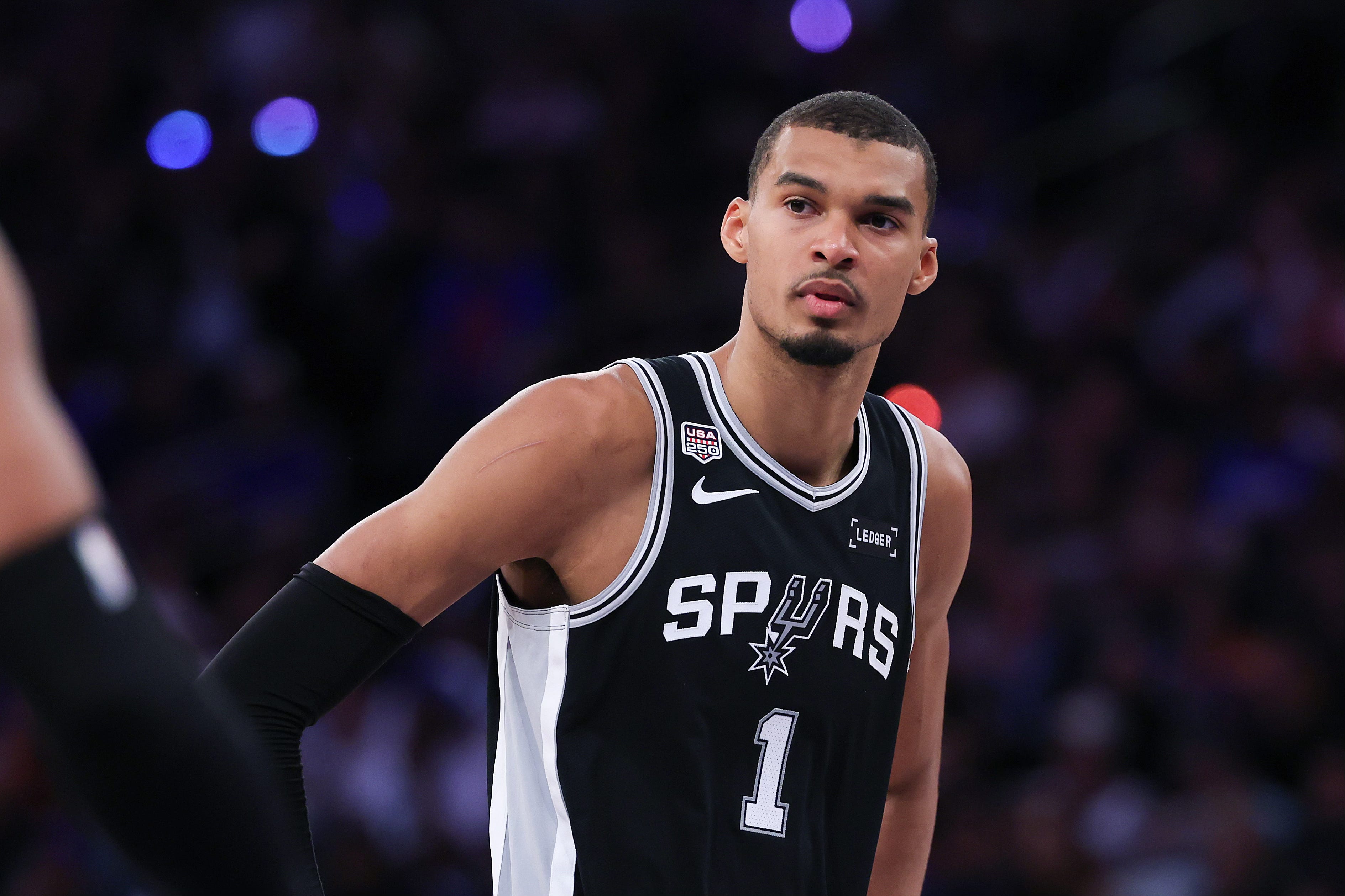
The San Antonio Spurs ultimately fell to the New York Knicks in five games in the 2026 NBA Finals, but the outcome did little to change the league’s long term outlook. With Victor Wembanyama, Stephon Castle, and Dylan Harper all 22 years old or younger, the Spurs accelerated their timeline dramatically, jumping from the lottery to the second best record in the NBA and signaling that their championship window may already be open.
What’s even more concerning for the rest of the league is that San Antonio often looked like the better team throughout the Finals. The Spurs built double digit first quarter leads in every game and led for roughly 72 percent of the series before repeated late game breakdowns allowed the Knicks to pull away with the title.
Meanwhile, the 2025 NBA champions Oklahoma City Thunder remain loaded with young talent led by Shai Gilgeous-Alexander. For the foreseeable future, the path out of the Western Conference may run through either Oklahoma City or San Antonio.
That reality should already be influencing how front offices think about roster construction. General managers aren’t just building championship contenders anymore. They’re building teams capable of surviving playoff battles against SGA and the Thunder, as well as a seven-foot-four alien in San Antonio.
Wemby finished third in Most Valuable Player voting and won Defensive Player of the Year at age 22. Basically, it’s Year One of what looks like a historic career for the French big man.
Usually, when there are generational players, teams look for ways to neutralize them.
We’ve heard about the Jordan Rules. Hack-a-Shaq was invented. We’ve seen the Kobe Stopper. Teams dared LeBron to shoot. Defenses are still allowed to grab and tackle Stephen Curry.
Whatever it takes to try to contain these superhumans, opposing teams will try it.
But this Wembanyama kid will be one of the toughest tasks to handle.
In his playoff debut, Wembanyama averaged 23.8 points, 10.9 rebounds, and 3.5 blocks per game. He’s increased those numbers to 26 points, 11.2 rebounds. 3.6 blocks per game in the NBA Finals.
In the opening round, he completely took Portland’s Donovan Clingan out of the series. The 7’2” Clingan shot a paltry 30% from the field and was limited to just 21 minutes per game.
In Round 2 against the Timberwolves, Wemby had his least productive series as Minnesota mixed size (Rudy Gobert) and strength (Julius Randle) to keep the alien somewhat contained. Ultimately, though, the Timberwolves’ frontcourt didn’t have enough scoring power to support Anthony Edwards.
In the Conference Finals, the Oklahoma City Thunder threw everything at Wemby. Again, they had the right combination of offense, physicality, and defense, but those skills were spread across multiple players with inconsistent results.
It’s almost like a video game when you face the final boss before beating the game.
Karl-Anthony Towns has the size and offensive ability to make Wemby work on both ends of the floor. He can space out to the three-point line, preventing Wemby from serving as the unbelievable help-side defender that he is. He’s also strong enough to push Wemby off his spots.
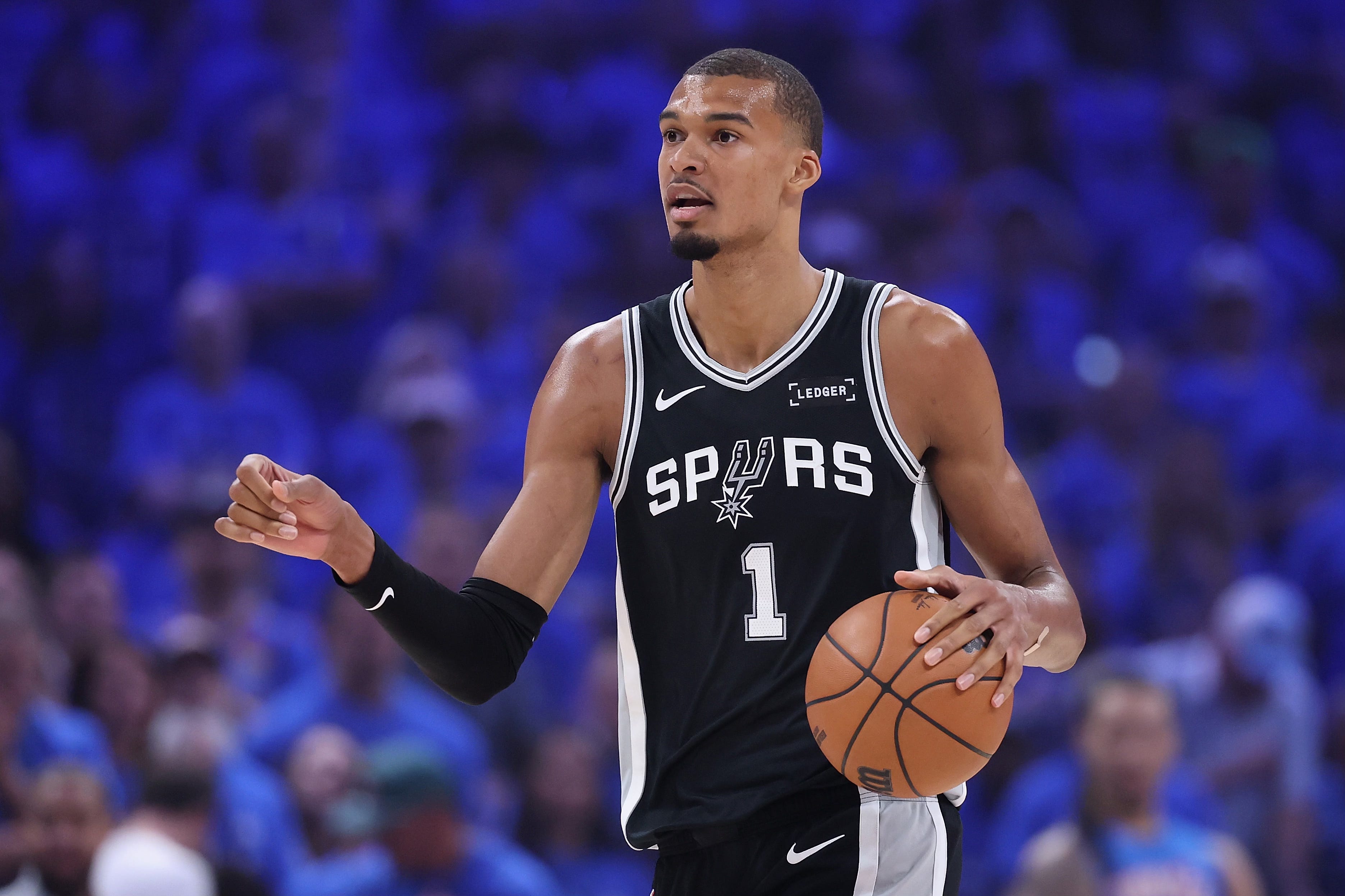
The thing is, Wemby isn’t even close to his final form.
He may never become a dominant low-post threat, largely because of how tall he is and how difficult it can be to maintain post leverage when your legs are at everyone else’s chest level. He doesn’t always roll to the basket because he’s far more comfortable popping out to space.
So figuring out Wemby isn’t just about his offensive skill set.
In theory, you have to make Wemby guard the ball while also matching him with a combination of length and strength on the other end.
Towns looks like he has the blueprint, but he was a non factor late in games over the finals.
The scary part for the rest of the league is that this problem isn’t going away anytime soon.
Half of this year’s lottery teams reside in the Western Conference, where the road to the NBA Finals may soon require getting through both OKC and San Antonio. General managers aren’t just tasked with building championship rosters anymore. They also have to ask themselves a new question: How are we going to survive against Wemby?
The 2026 Draft Class and the Wemby Question
The 2026 NBA Draft has a quality crop of bigs.
Are any of them the answer to the Wemby problem?
Probably not.
But playoff teams drafting for frontcourt depth will inevitably evaluate prospects with Wembanyama in mind.
“How does this player help us against the Spurs?”
Let’s try to predict how the big men in this draft class might fare against Wemby.
Aday Mara
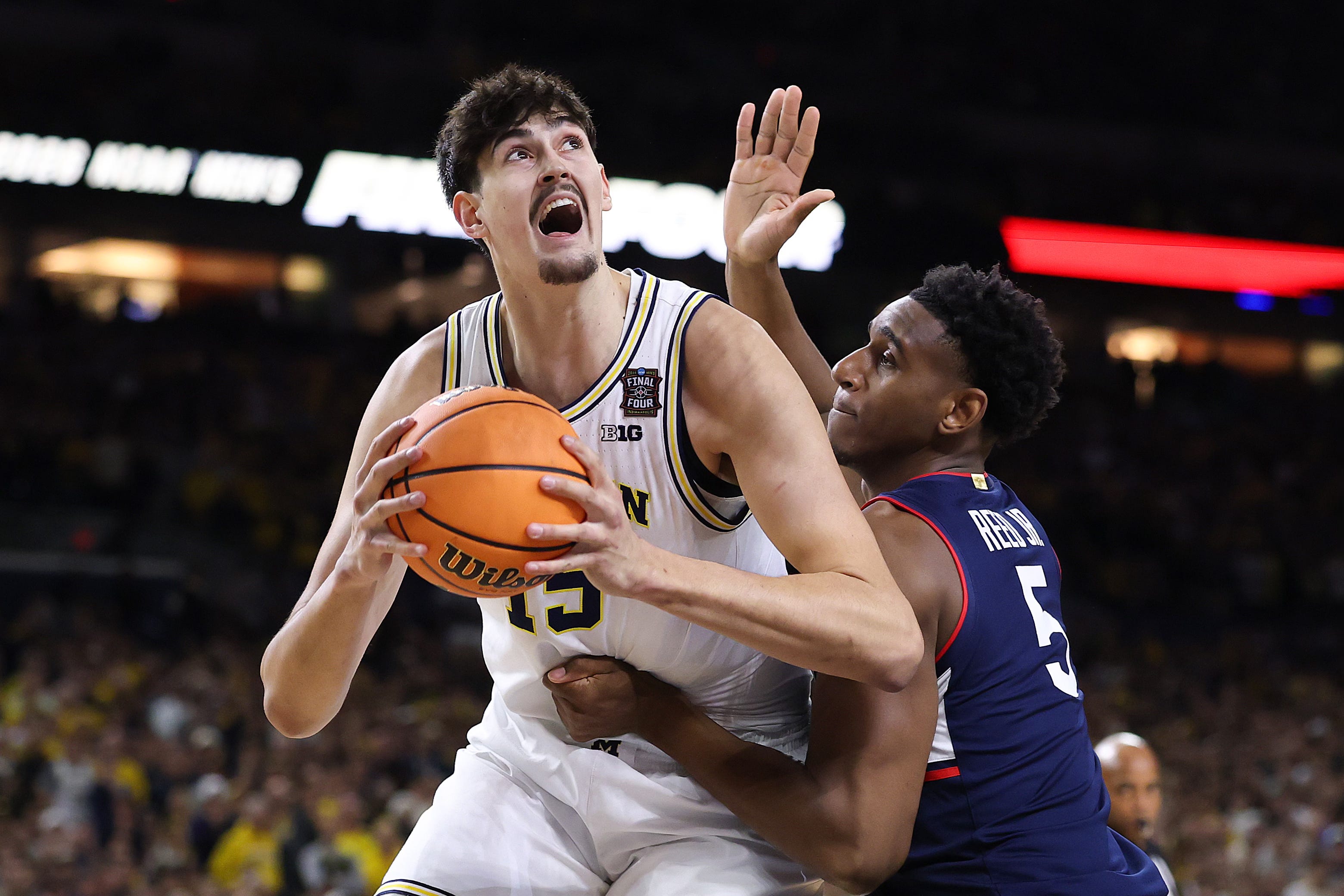
Obviously, Mara has the size to match up with Wembanyama.
Mara measured 7’3” barefoot with a 7’6” wingspan. He’s also got good mobility, probably more mobile than Donovan Clingan.
Offensively, Mara stretches the floor with his passing ability, though he doesn’t offer much range outside the paint. His touch is inconsistent, as evidenced by a college career free-throw percentage below 60%.
Against Wemby, Mara would come close to matching his height. However, as mobile as Mara is, Wemby does much of his damage on the perimeter. Pulling Mara away from the paint to defend in space limits his defensive value.
Offensively, Mara has a solid post game. You’re probably not featuring him on post touches against Wemby, but giving the Spanish big a few opportunities would help keep Wemby honest.
Mara is also an excellent passer who could pull Wemby away from the rim through dribble handoff actions.
Out of this class, Mara may have the most success if he can consistently force Wemby to defend him away from the dunker spot and short-roll situations.
Yaxel Lendeborg
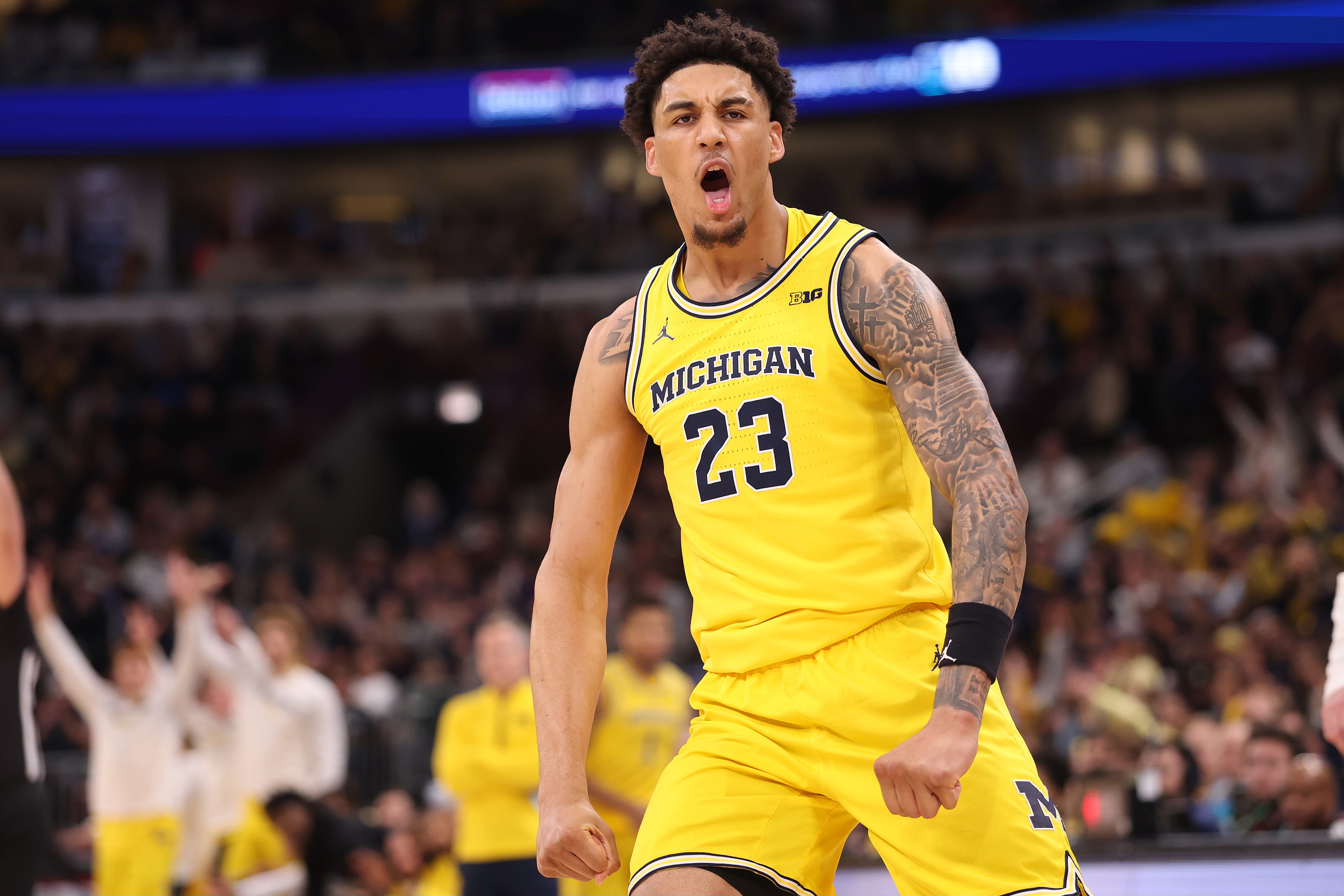
Yaxel would be an interesting matchup for a few reasons.
Because today’s NBA lacks many true back-to-the-basket centers, the Spurs can sometimes put rugged guards on opposing fives and allow Wemby to roam as a weak-side defender.
Against Oklahoma City, Wemby often matched up against guards whenever Isaiah Hartenstein was off the floor. Jaylin Williams and Chet Holmgren couldn’t consistently punish those smaller defenders, which allowed Wemby to wreak havoc defensively.
We saw what Chet did, or didn’t do, when tasked with keeping Wemby honest offensively.
Whether Oklahoma City selects him with the 12th pick or not, Yaxel fits this conversation because he’s such a well-rounded prospect.
If the shooting is real, he can provide the floor spacing necessary to keep Wemby from completely ignoring him. He also has enough offensive game to attack smaller defenders.
Prior to moving to the wing, Yaxel was a glass-cleaning power forward at UAB.
Defensively, he’s giving up several inches, but his 240-pound frame and 7’3” wingspan could allow him to push Wemby off his spots.
I believe he has as good a chance as anyone in this draft class.
Morez Johnson
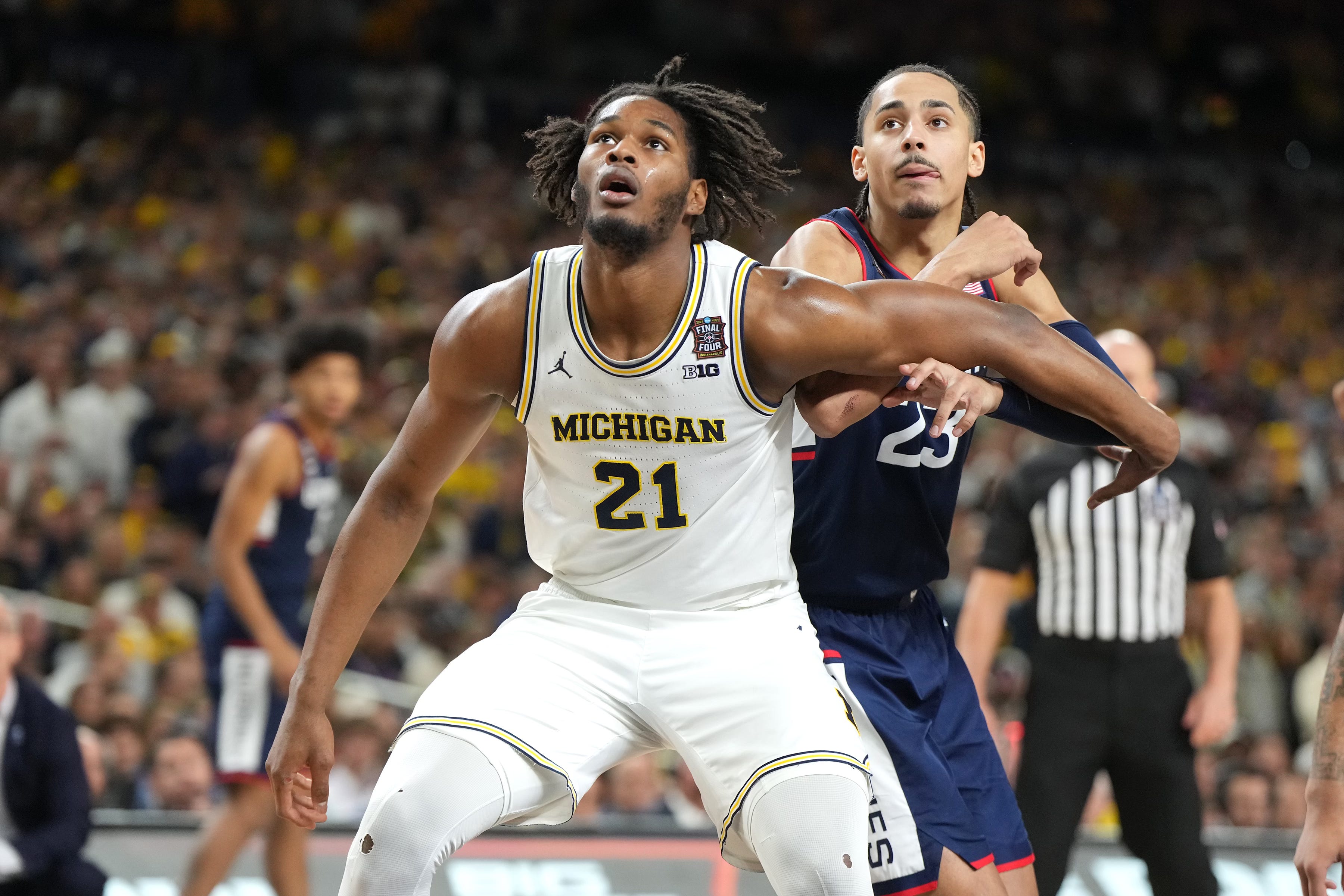
No matter how many times I write about the Michigan Wolverines, it’s still hard to believe they had three frontcourt players whom I project as top-15 picks, often sharing the floor together.
Next up from that trio is Morez Johnson.
Johnson is similar to Yaxel in that he combines excellent measurements (6’9” barefoot, 7’3” wingspan) with legitimate mass (250 pounds).
Again, you’re giving up inches to Wemby, so physicality appears to be the best approach.
But there has to be mobility, too.
Essentially, Wemby is a 7’4” small forward.
The players tall enough to look him in the eye often aren’t quick enough to guard him.
Johnson is.
He can stay in front of Wembanyama on the perimeter.
The bigger challenge is on offense.
Johnson has terrific touch but must prove that his range extends beyond corner threes. It’s not enough to be effective on short rolls and paint touches.
Just ask Isaiah Hartenstein, who seemingly never missed a floater.
You also have to account for Stephon Castle’s ball pressure, which shrinks the margin for error on those push shots even further.
Johnson may ultimately become a short-push-shot specialist because he’s a better athlete in open space than in confined areas.
Hannes Steinbach
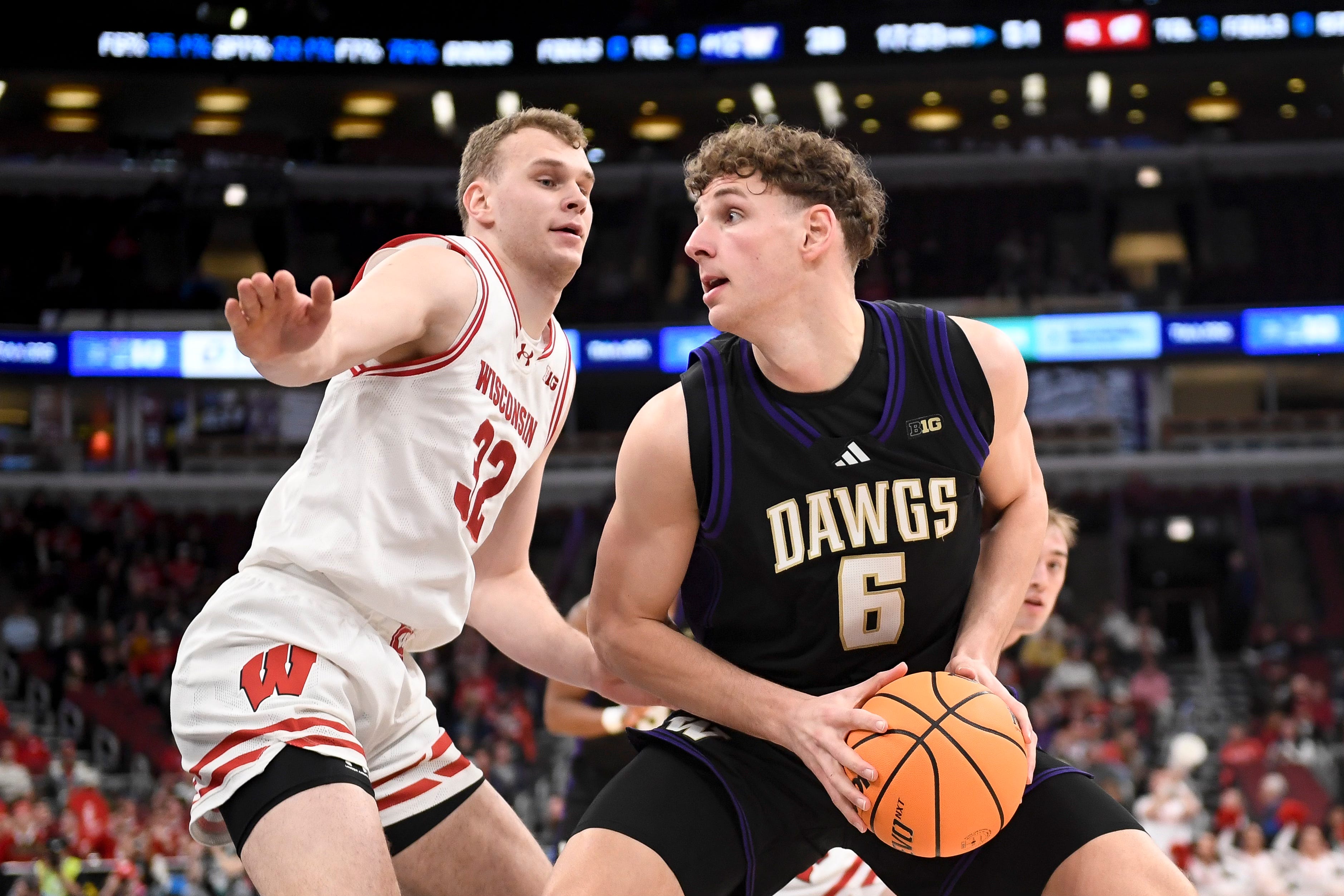
Steinbach probably isn’t the answer to the Wemby problem, but his motor and relentless activity level would provide a different look.
He reminds me of Isaiah Hartenstein, and not just because they’re both German.
Steinbach attacks the glass with the same tenacity and has enough touch indicators to suggest he can eventually extend his range.
He shot 34% from three on limited volume and converted a solid 76% from the free-throw line during his lone season at Washington.
I don’t think he’ll offer much resistance defensively against Wemby.
Despite a respectable 7’2” wingspan, Steinbach wasn’t an elite rim protector at the collegiate level.
Blocking Wemby’s shot is already difficult.
Steinbach simply isn’t that type of defender.
Chris Cenac Jr.
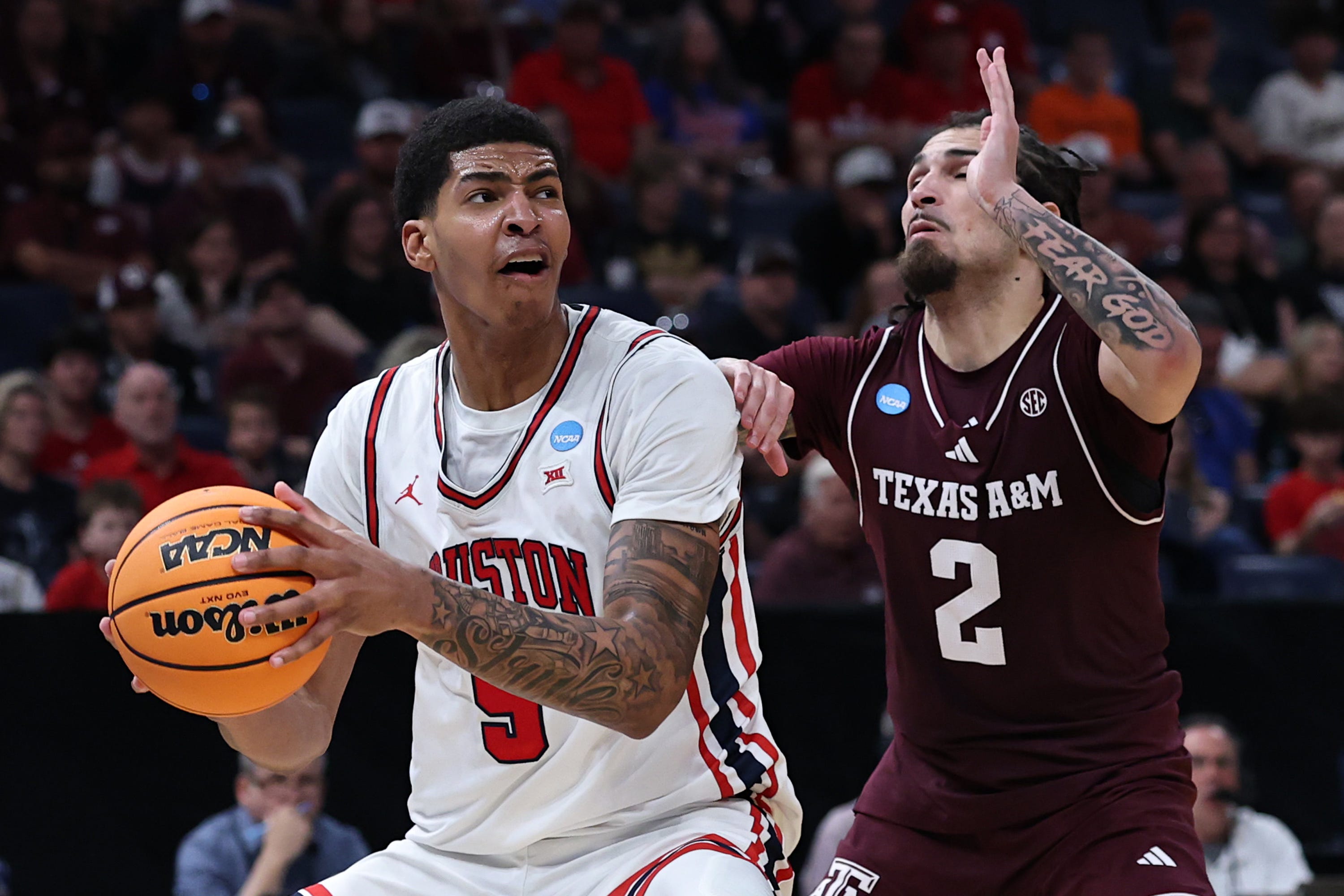
Cenac is fascinating because he might possess every physical tool you’d want in a hypothetical Wemby stopper.
He’s extremely mobile, owns a 7’5” wingspan, and recorded a 37-inch vertical leap.
Regardless of this exercise, Cenac has tremendous physical gifts.
I’m just not sure he knows how to fully utilize them yet.
He was a dominant rebounder at Houston but didn’t convert those measurements into shot-blocking production, totaling just 18 blocks all season.
For comparison, shooting guard Darryn Peterson recorded only three fewer blocks despite playing roughly 300 fewer minutes.
Defending Wemby isn’t necessarily about blocking shots, so Cenac could still have success on that end.
The offensive side worries me.
Cenac is viewed as a potential floor spacer and vertical lob threat, but he shot only 62% from the foul line and 33% from three.
For reference, Arizona’s Koa Peat is often labeled a non-shooter despite posting similar numbers.
No matter how you view Cenac’s shooting projection, his offensive game remains a work in progress.
I think stretch bigs will become increasingly valuable as teams search for ways to pull Wemby away from the basket.
Cenac just might not be ready for that role yet.
Jayden Quaintance
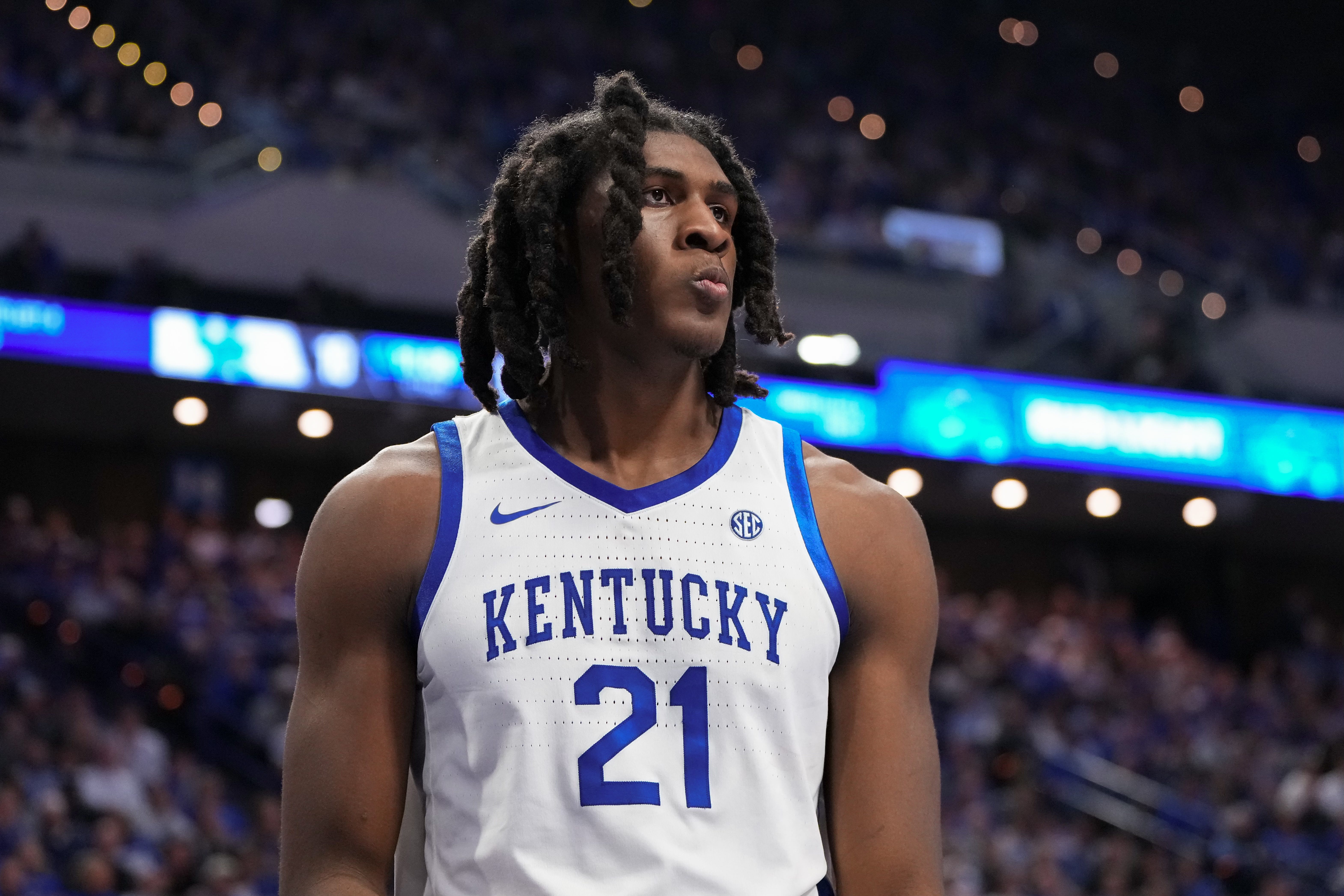
Quaintance remains one of my favorite players in this draft.
Not only is he one of the youngest prospects, just 18 years old as a sophomore, but he may have the highest defensive ceiling in the class.
He’s an outstanding athlete who measured extremely well at the combine with a 7’5” wingspan.
But he’s much more than a combine athlete.
JQ was a defensive monster at Arizona State before tearing his ACL.
Without injury concerns, I believe he’d be a consensus top-10 pick.
As far as defending Wemby goes, he absolutely possesses the tools to make life difficult, if the knee is healthy.
Quaintance is one of the rare bigs who can switch onto perimeter players while still protecting the rim.
At 250 pounds, he’s built like a tank. Physicality won’t be an issue.
The challenge comes offensively.
Quaintance is primarily a play finisher with questionable touch. That means he’s either operating as a lob threat or from the dunker spot.
Those are exactly the types of players Wemby is best equipped to defend.
His length and mobility allow him to erase mistakes and cover ground unlike anyone else in the league.
Final Thoughts
There are bodies to throw at Victor.
But unless your roster includes Joel Embiid, Karl-Anthony Towns, or Nikola Jokic, you’re probably in for a long night.
Just ask the other 26 teams trying to solve the league’s seven-foot-four-inch problem.