

The Death of the Small Point Guard?
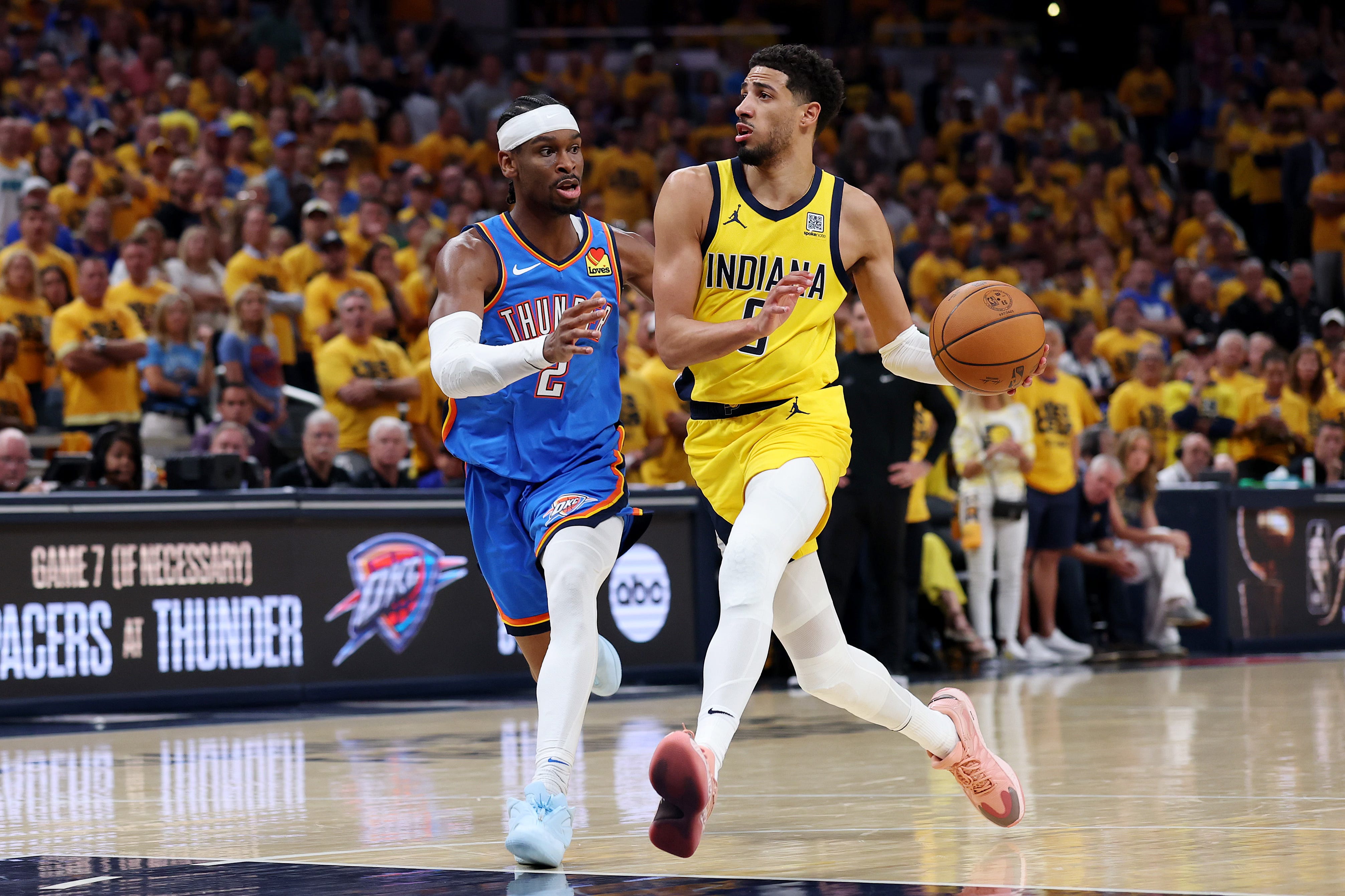
The NBA is evolving, and it couldn’t be more evident than in how the point guard position has changed over the years.
It’s a copycat league, always has been, always will be. When teams see a formula that works, they chase it. And lately, that formula has gotten bigger.
Last year’s Finals featured two 6’6” point guards: Shai Gilgeous-Alexander and Tyrese Haliburton. Two completely different styles, but one shared trait, size well above the traditional standard for the position.
That’s not a coincidence. That’s a trend.
The Rise of the Jumbo Playmaker
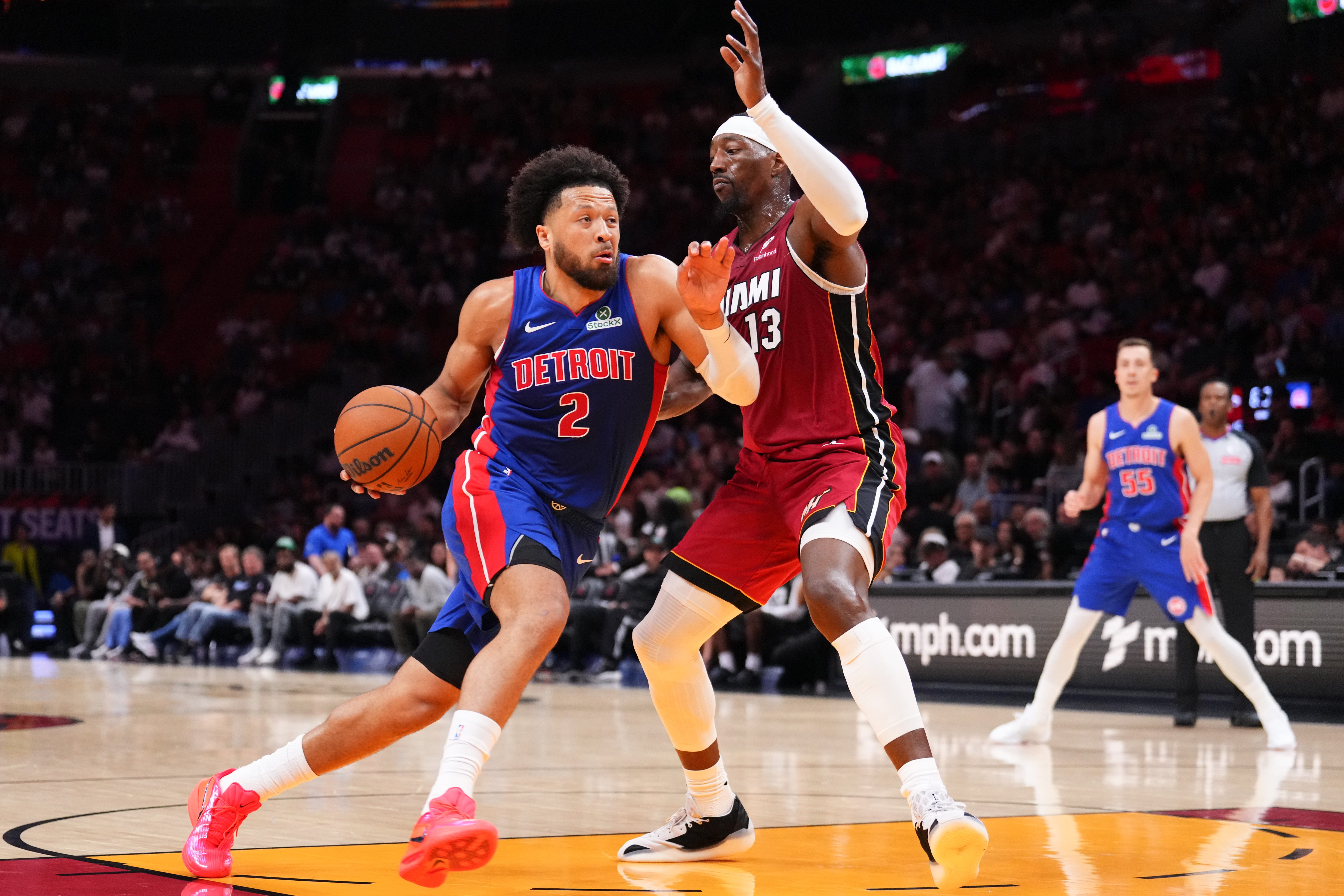
The league has taken notice, and teams are adjusting accordingly.
Cade Cunningham, a former No. 1 pick and 6’6” playmaker, has led the Detroit Pistons to a No. 1 seed just two seasons after losing a record 26 straight games.
In Cleveland, the Cavaliers moved on from the Darius Garland / Donovan Mitchell backcourt, opting instead to bring in a bigger lead guard in James Harden. They doubled down on size by signing Lonzo Ball.
Meanwhile, LaMelo Ball is finally healthy, and the Hornets are trending up.
Even in San Antonio, where De’Aaron Fox is technically the point guard, it’s 6’6” Stephon Castle leading the team in assists. Oh, and they just drafted 6’5” Dylan Harper second overall.
This isn’t subtle anymore. The league is prioritizing size at the position.
How We Got Here: The Steph Curry Effect
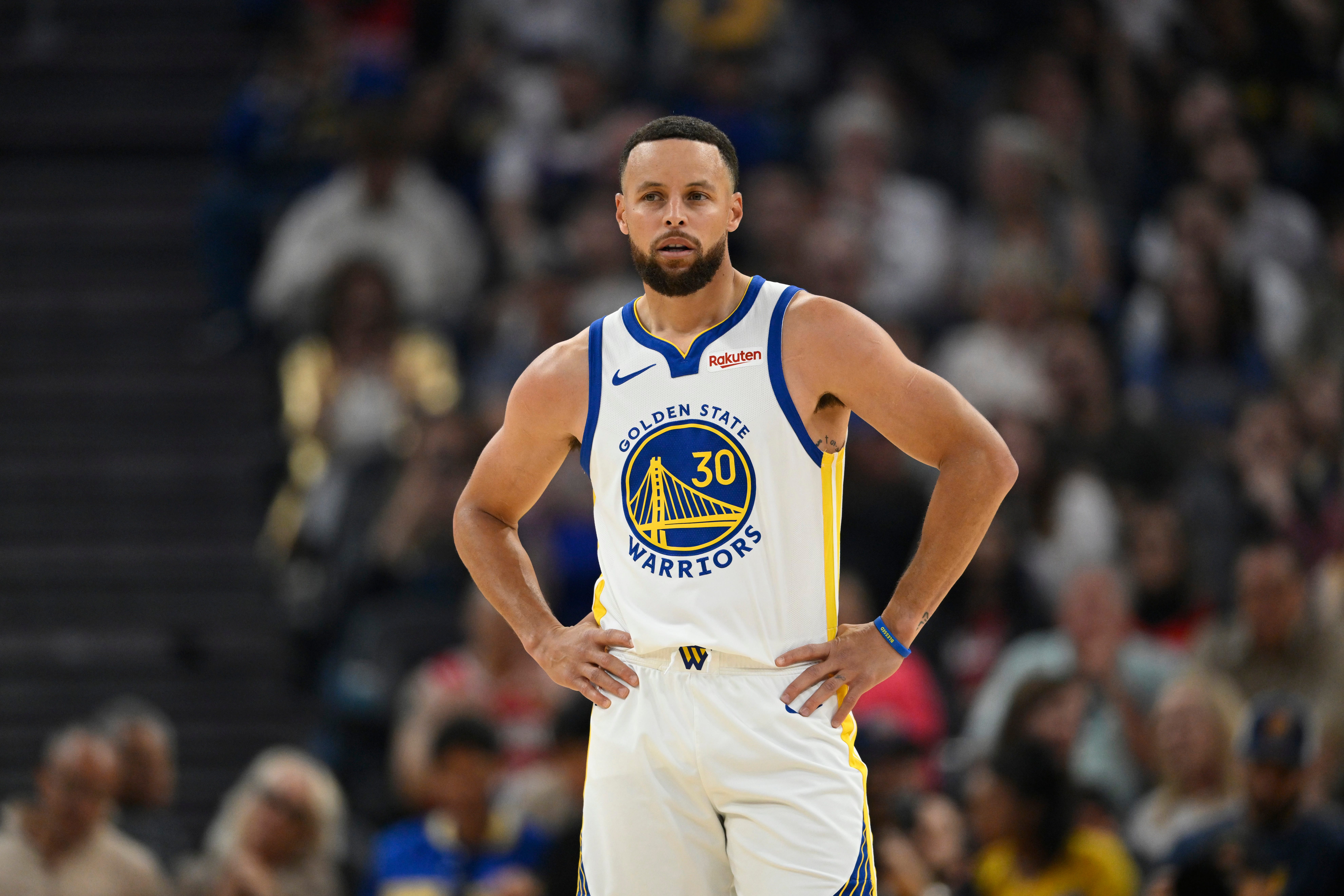
There was a time when it felt impossible to play two bigs on the court, thanks largely to the Golden State Warriors.
Their “death lineup,” anchored by Stephen Curry, Draymond Green, and Andre Iguodala, forced teams to downsize or get run off the floor.
But let’s be honest, small ball didn’t work just because of strategy. It worked because of Steph.
Curry is a one-of-one. An all-time great whose gravity broke defenses and reshaped the sport. The problem is that there hasn’t been a true successor.
The Problem with Small Guards Today
There have been flashes.
Trae Young has had individual success, but at 6’2”, 165 pounds, he’s been neutralized in the playoffs outside of one run.
Ja Morant is electrifying, but durability and inconsistent perimeter shooting have limited Memphis’ ceiling.
Jalen Brunson might be the best small guard in the league today. But if he can’t lead the Knicks to the Finals, he risks joining the growing list of elite players who just weren’t big enough to carry a team all the way.
That’s the harsh reality. There appears to be a glass ceiling for teams built around smaller lead guards, unless your name is Stephen Curry.
Why Size Wins in the Modern Game
The game itself has changed.
Gone are the days when you simply guarded your position. Today, offenses hunt mismatches relentlessly.
If you’re a smaller guard who can’t defend, you’re getting targeted.
Teams now use low-usage players as screeners, forcing switches. Suddenly, you’re defending someone like Jayson Tatumin space. That’s a losing battle.
Defensively, you’re compromised. Offensively, bigger defenders are switched onto you.
It’s a two-way problem, and it’s why size matters more than ever.
The Risk of Forcing the Trend
But here’s the catch. Just because bigger guards are trending doesn’t mean every big guard works.
Take Amen Thompson.
At 6’7”, he fits the mold physically, but his inability to shoot allows defenses to ignore him, clog spacing, and disrupt the offense. Put a shot blocker on him, and everything shrinks.
The same concern could apply to players like Stephon Castle in a playoff setting.
Size alone isn’t enough. Skill still matters.
A Brief History of the Position
Traditionally, the point guard was the table-setter, the decision-maker.
Players like Magic Johnson and Isiah Thomas could beat you with both scoring and playmaking.
Penny Hardaway looked like the next evolution before injuries derailed his career.
In the 2000s, smaller scoring guards like Tony Parker and Chauncey Billups led championship teams.
Then came Steve Nash, a two-time MVP who revolutionized offense, but ultimately couldn’t get Phoenix over the hump.
Fast forward to today, and it’s harder than ever to build a contender around a small guard.
The 2026 Draft Dilemma
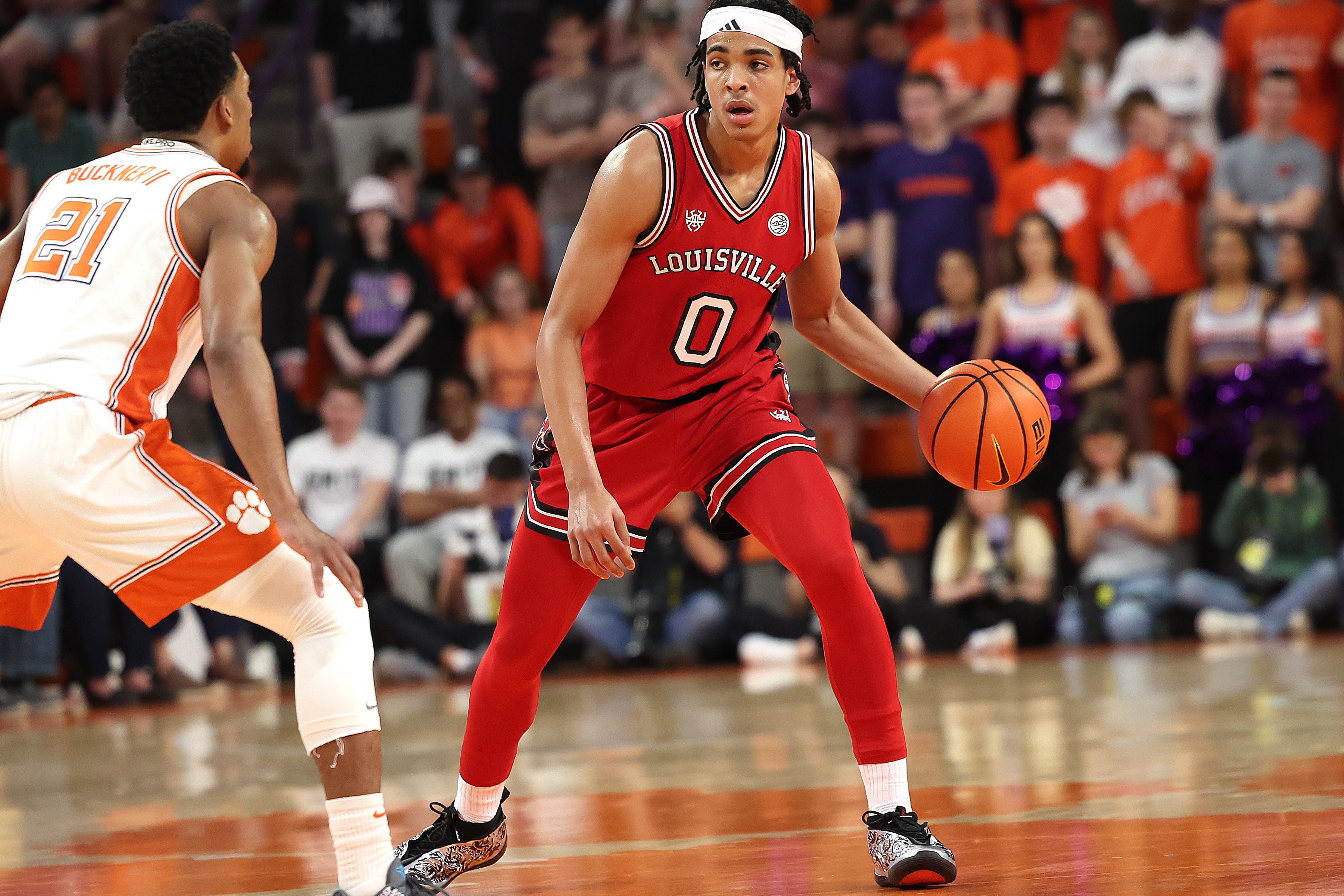
So what happens when the next wave doesn’t fit the mold?
The 2026 Draft presents a fascinating challenge.
At the top, names like Cameron Boozer, AJ Dybantsa, Darryn Peterson, and Caleb Wilson are expected to headline the class.
But what about the point guards?
If you’re Sacramento and picking fourth, do you take a bigger guard like Keaton Wagler at 6’6”? And if you do, is he good enough at the rim?
If you’re Atlanta, do you stick with your current structure, or bet on someone like Louisville’s Mikel Brown Jr.? He has size and playmaking, but can he defend at a high enough level?
And what about teams like Dallas?
If their options are Kingston Flemings and Darius Acuff, you’re weighing trade-offs:
Flemings, solid defender, but not elite, with offensive limitations
Acuff, talented scorer, but questionable defensive effort
These aren’t easy decisions.
Are Small Guards the New Running Backs?
At one point, big men were considered the “running backs” of the NBA, valuable, but replaceable.
Now, it might be small point guards heading in that direction.
But here’s the twist. A running back just won Super Bowl MVP.
There are always outliers.
The question is, are there any in this draft?
We’re about to find out.
You can argue, there also hasn't been a lot of talented point guards to build around. I think we will see more teams try to build around the 26 class of point guards because they are so talented