
Summer League Notebook: Second-Round Picks and Undrafted Gems Who Impressed
How a small Summer League sample offered encouraging signs for several overlooked prospects fighting for NBA opportunities.

Summer League is one of the easiest settings to overreact to. The sample size is small, the competition is inconsistent, and many of the league’s top rookies either play limited minutes or shut things down after only a few games. At the same time, it can provide an early glimpse into which players spent the weeks leading up to the draft attacking the weaknesses that caused them to slide in the first place.
Several second round picks and undrafted free agents caught my attention because some of the concerns that hurt their draft stock looked far less glaring in Las Vegas. Whether it was improved shooting mechanics, better decision making, increased defensive activity, or simply a newfound level of confidence, these players showed encouraging signs that they may already be making progress in the areas that once limited their NBA outlook. That’s certainly not true for everyone on this list, and a strong week in July doesn’t erase months of scouting. But it was enough to make me wonder whether some of these perceived weaknesses may not be long term issues after all.
With so many front offices navigating the financial restrictions of the second apron, finding productive contributors on second round contracts and two-way deals has become more valuable than ever. Teams that consistently hit on the margins gain a significant competitive advantage, making Summer League an important opportunity for these players to prove they belong and for organizations to identify inexpensive rotation pieces.
Before diving in, it’s worth noting that two of my favorite second round performers, Meleek Thomas and Bruce Thornton, were featured in a separate article earlier this week. This notebook focuses on a different group of second round picks and undrafted players whose Summer League performances raised my level of intrigue heading into training camp.
Trevon Brazile | Denver Nuggets
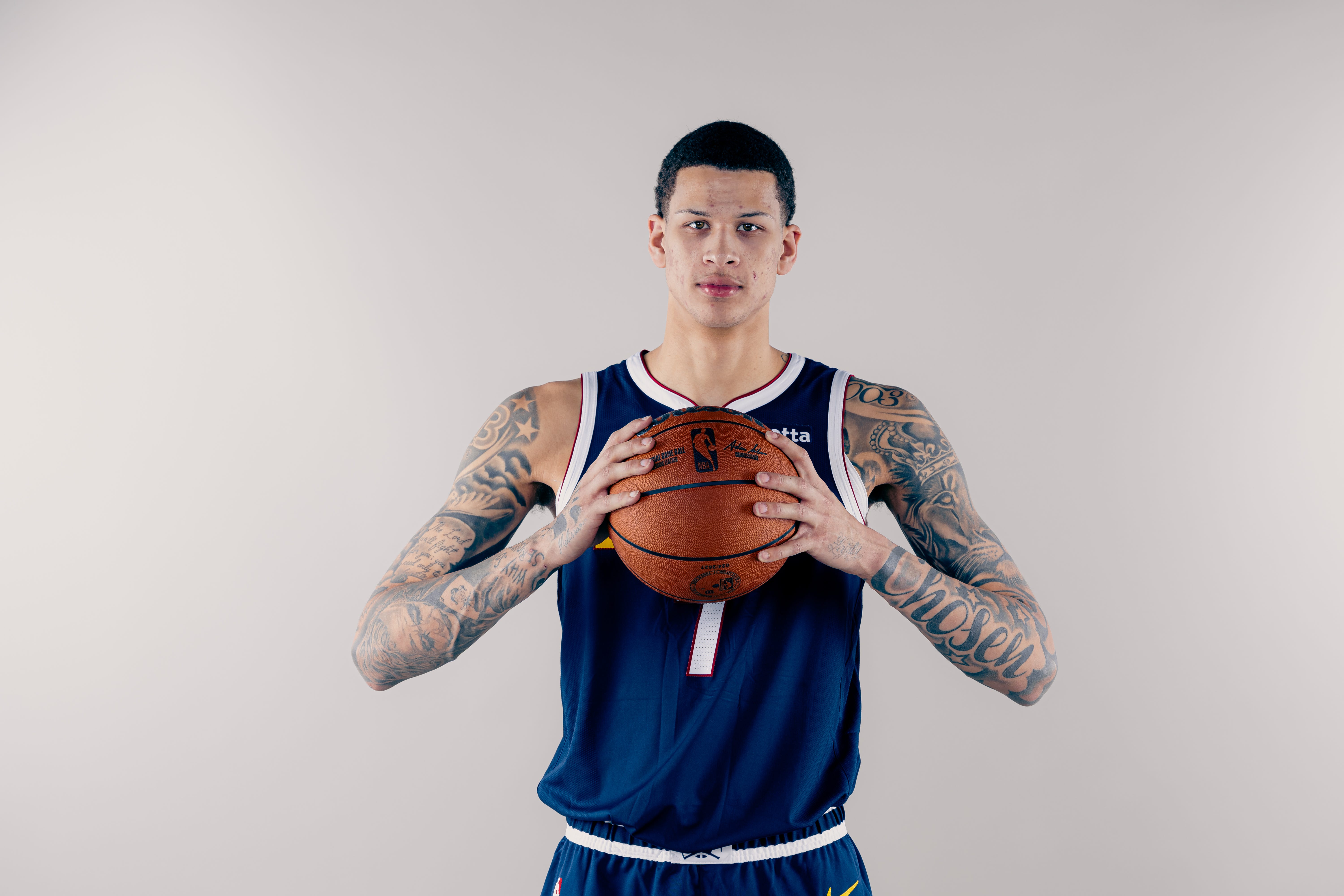
In my humble opinion, one of the biggest winners of the 2026 Summer League was Trevon Brazile.
Brazile was selected with the 35th pick, but I’ve always believed he possessed first round talent. In Las Vegas, his combination of athleticism, length, defensive versatility and rebounding was on full display.
I’ve always been a fan of bigs who can space the floor, protect the rim and serve as vertical lob threats. Those players are difficult to find, which is one of the reasons I was so high on Kel’el Ware coming out of Indiana in 2024. Brazile reminds me of Ware in some ways. The talent has never been the question. Instead, the biggest concerns have revolved around his motor, consistency and ability to bring the same level of intensity every night.
This summer, he answered a lot of those questions.
Brazile averaged 18.7 points, 8.3 rebounds and 1.3 blocks while shooting 45 percent from the field, 47 percent from three and 80 percent from the free throw line. He knocked down 9 of his 19 three point attempts and delivered one of the most impressive individual performances of Summer League with 32 points against Oklahoma City, including 19 in the first half, while shooting 11-19 from the field and 6-12 from three. He followed that with another strong outing against Portland, finishing with 19 points, eight rebounds and three blocks.
For a Denver team searching for more athleticism, shooting and frontcourt depth, Brazile made a compelling case for a role. The Nuggets added Marvin Bagley III this offseason and still have DaRon Holmes II and Zeke Nnaji competing for minutes, but Brazile’s Summer League performance should make that competition much more interesting.
On a personal level, it was great to see him bounce back. Early in his sophomore season at Arkansas, I thought he had firmly established himself as a first round prospect before tearing his ACL after just nine games. Since then, the flashes have always been there, but the consistency wasn’t. Too often, his production failed to match his talent.
It’s only a small sample size, but if Summer League is any indication, the Nuggets may have landed one of the biggest steals of the second round.
Bryce Hopkins | Denver Nuggets
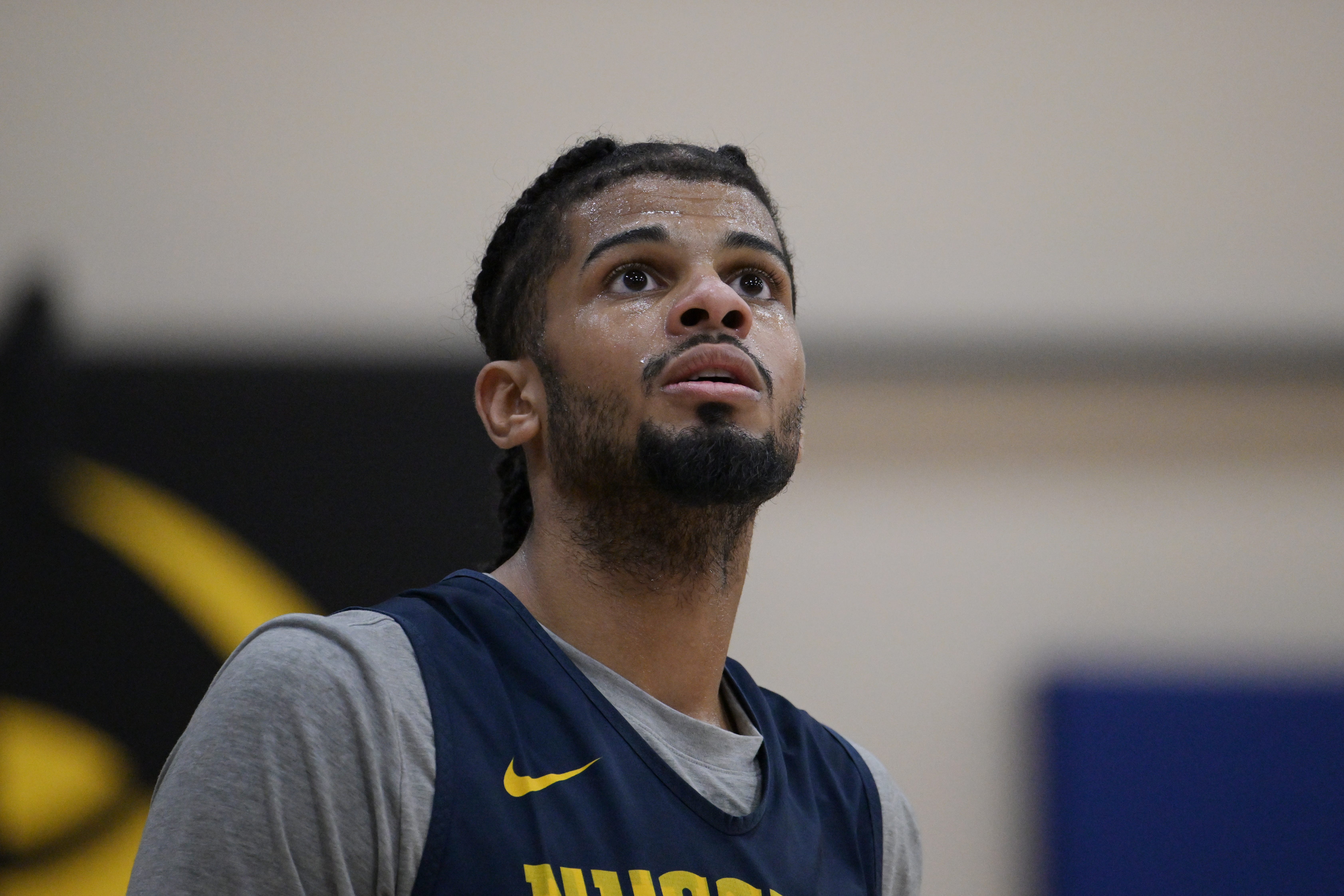
The next player who caught my attention was Bryce Hopkins, and in many ways, his story parallels Trevon Brazile’s. Not only are they now teammates in Denver, but both had their college careers derailed by injuries just as they were building first round momentum.
Selected with the 49th pick, Hopkins looked every bit like an experienced, versatile weapon who belongs in the NBA. In four Summer League games, he averaged 18.0 points, 6.5 rebounds, 1.5 assists and 2.3 stocks (steals plus blocks) while shooting 53 percent from the field and 35.7 percent from three. He scored in double figures in every game and consistently filled the stat sheet with his scoring, rebounding and defensive activity.
This is another feel good story. Hopkins appeared in just 18 games combined during the 2023-24 and 2024-25 seasons after suffering a torn ACL and later dealing with a bone bruise. Before the injuries, he had firmly put himself on the NBA radar. He first caught my attention as a sophomore at Providence, where he averaged 15.8 points, 8.5 rebounds and 2.3 assists after transferring from Kentucky, where he saw limited playing time as a fresghman.
As of now, Hopkins hasn’t signed a contract, but I’d be surprised if he doesn’t receive at least a two-way deal. After the Summer League he put together, I wouldn’t be surprised if his representatives are pushing for a standard NBA contract instead.
Like Brazile, Hopkins entered the draft with more experience than most prospects and likely would have heard his name called much earlier had injuries not interrupted his college career. It’s still only a small sample size, but Denver may have found outstanding value by betting on two talented players whose draft stock was driven down more by health than ability.
Dillon Mitchell | Boston Celtics
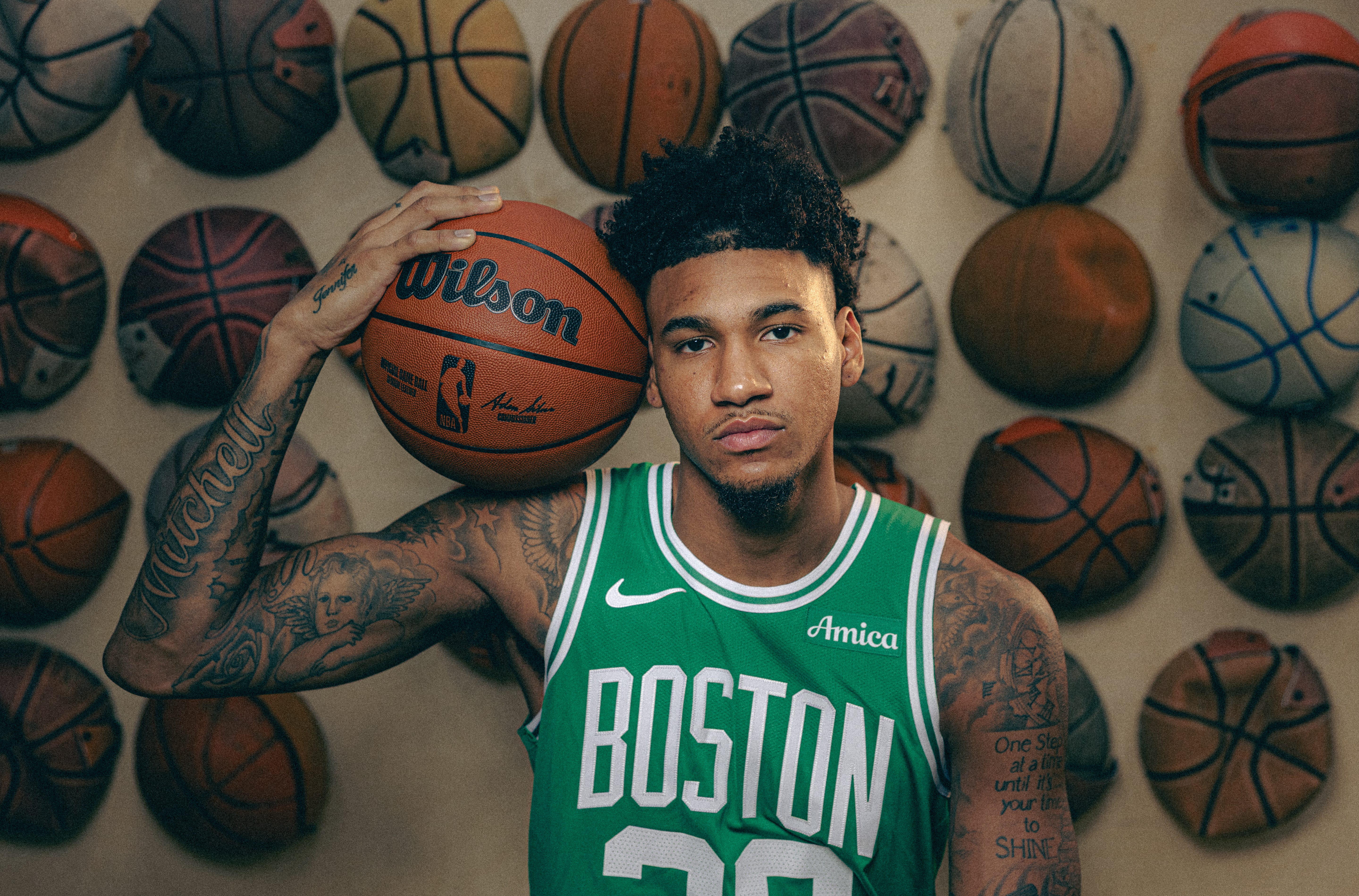
Dillon Mitchell’s path to the NBA wasn’t the one many envisioned when he entered college. A former five star recruit, Mitchell arrived at Texas with lottery expectations before transferring to Cincinnati and finishing his college career at St. John’s. After what felt like a long journey through college basketball, he was selected with the 40th pick in last month’s draft.
I’ve said it before, but I’ve always felt Mitchell had the game of a center in a wing’s body. Physically, he checks every box. He’s an elite athlete with outstanding length, explosiveness and defensive versatility. The talent has never been in question. The concern has always been the skill level, particularly his shooting. He often looked more athletic than polished, and in today’s NBA, that’s a difficult profile for a complementary wing.
That’s why his Summer League performance caught my attention.
Mitchell averaged 13.0 points, 5.0 rebounds, 2.7 steals, 1.3 assists and 1.3 blocks, scoring in double figures in three of his four games. His best performance came against Charlotte, where he finished with 24 points, eight rebounds, six steals and two blocks. But what stood out even more than the stat line was that he knocked down 2 of his 5 three point attempts.
That may not seem significant until you consider his shooting history.
As a freshman at Texas, Mitchell didn’t attempt a three. As a sophomore, he went 0-8 from beyond the arc. He showed some progress at Cincinnati by making 10 of 34 threes (29.4 percent), but his confidence appeared to disappear at St. John’s, where he made just 1 of 15 attempts all season. Over his four year college career spanning 144 games, Mitchell made only 11 three pointers while shooting just 48 percent from the free throw line, raising legitimate doubts about both his jumper and his overall touch.
That’s why his willingness to shoot in Summer League was almost as encouraging as the makes themselves. Mitchell attempted eight threes in four games, converting three (37.5 percent). It’s far too early to declare the shooting issue solved, but simply seeing him step into open shots with confidence was a positive development.
The swing skill has always been his perimeter shooting. If Mitchell can develop into even a league average shooter, his athleticism, defensive versatility and ability to impact games without needing the ball give him a clear path to becoming a valuable NBA role player. He already showed the defensive tools in Las Vegas, finishing third in Summer League in steals at 2.7 per game while averaging 1.3 blocks. He has all the makings of a disruptive defender, transition finisher and high-energy role player.
The shooting remains the biggest question, but if Boston’s player development staff can help Mitchell become a respectable floor spacer, the Celtics may have landed one of the best value picks in the 2026 NBA Draft.
Quadir Copeland | Houston Rockets
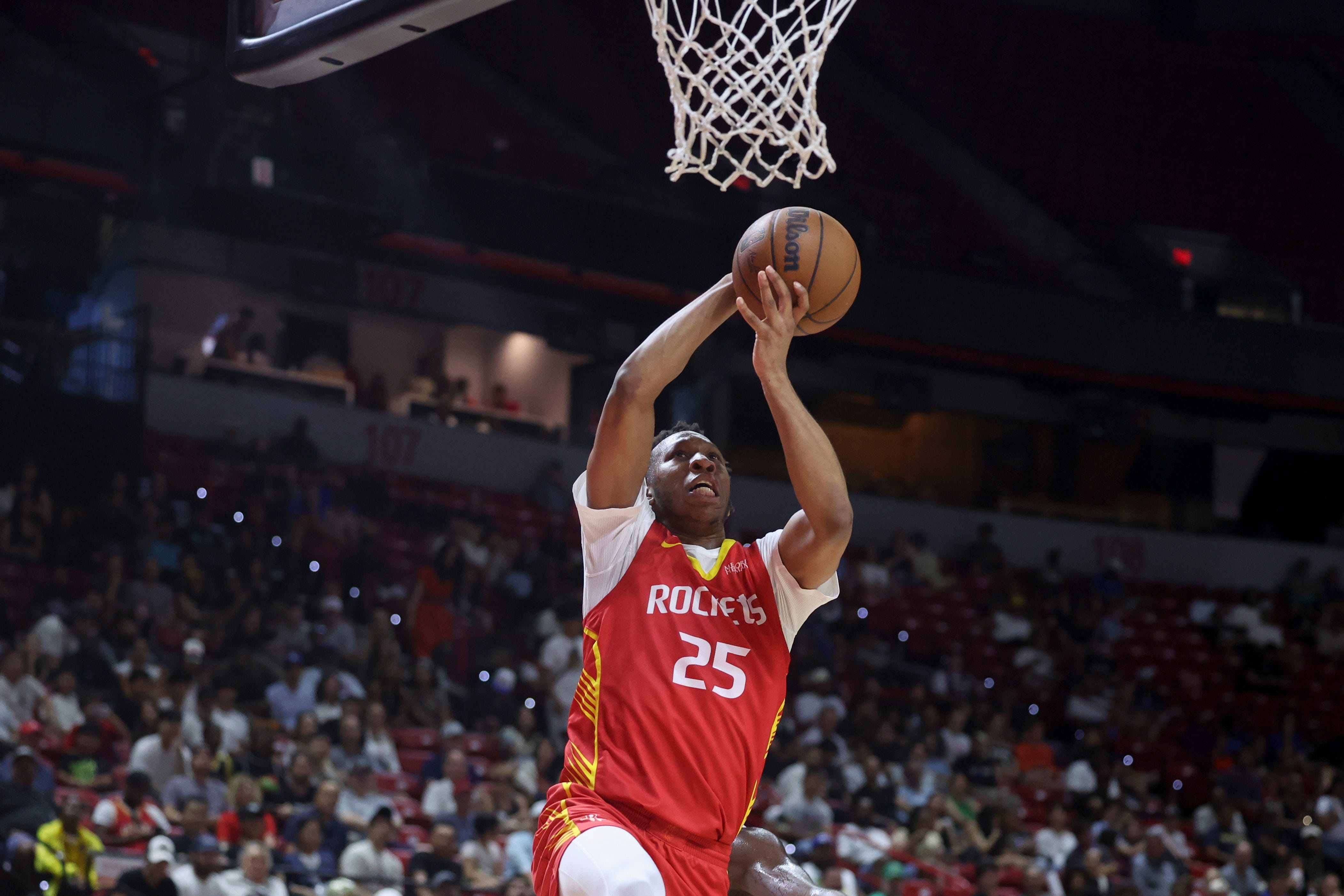
Similar to Dillon Mitchell, Quadir Copeland entered the pre draft process with major questions about his perimeter shooting. But among this year’s undrafted free agents, Copeland may have been one of the biggest revelations of Summer League.
Playing for the Houston Rockets, Copeland averaged 13.2 points, 3.6 rebounds, 3.0 assists and 2.2 steals while shooting 56 percent from the field and 6-11 (54.5 percent) from three. He saved his best performance for the Summer League semifinals, finishing with 24 points on 9-13 shooting, showcasing the all around impact that made him one of the tournament’s biggest surprises.
The shooting is what stood out most.
Throughout his college career at Syracuse, McNeese State and NC State, Copeland’s jumper was viewed as the biggest obstacle to his NBA future. He made just 39 three pointers in 121 career games and was often reluctant to shoot from the perimeter. While he connected on a career best 39 percent from three during his final season at NC State, it came on just 58 attempts in 34 games, leaving questions about whether defenses would have to respect him at the next level.
Summer League offered an encouraging glimpse.
Copeland averaged 2.2 three-point attempts per game, a noticeable increase in both volume and confidence compared to college, and he converted more than half of those attempts. The percentage will likely fluctuate, but the biggest takeaway was his confidence to take the shots that he often passed up in college.
I also think Copeland landed in an ideal situation. Houston, under Ime Udoka, has built its identity around toughness, defensive pressure and versatility. Copeland checks all of those boxes. He ranked among the Summer League leaders in steals, averaging 2.2 per game, recorded at least two steals in every contest, and, alongside Bruce Thornton, consistently disrupted opposing ball handlers with his activity and physicality.
Copeland has already signed a two-way contract and is expected to spend time with the Rio Grande Valley Vipers, but I wouldn’t be surprised if he earns a few opportunities with the Rockets throughout the season. His positional size, defensive versatility and Swiss Army knife skill set already give him a chance to carve out a role. If the perimeter shooting proves to be real, he has a legitimate opportunity to become one of the undrafted success stories from this class.
Tre White | Miami Heat
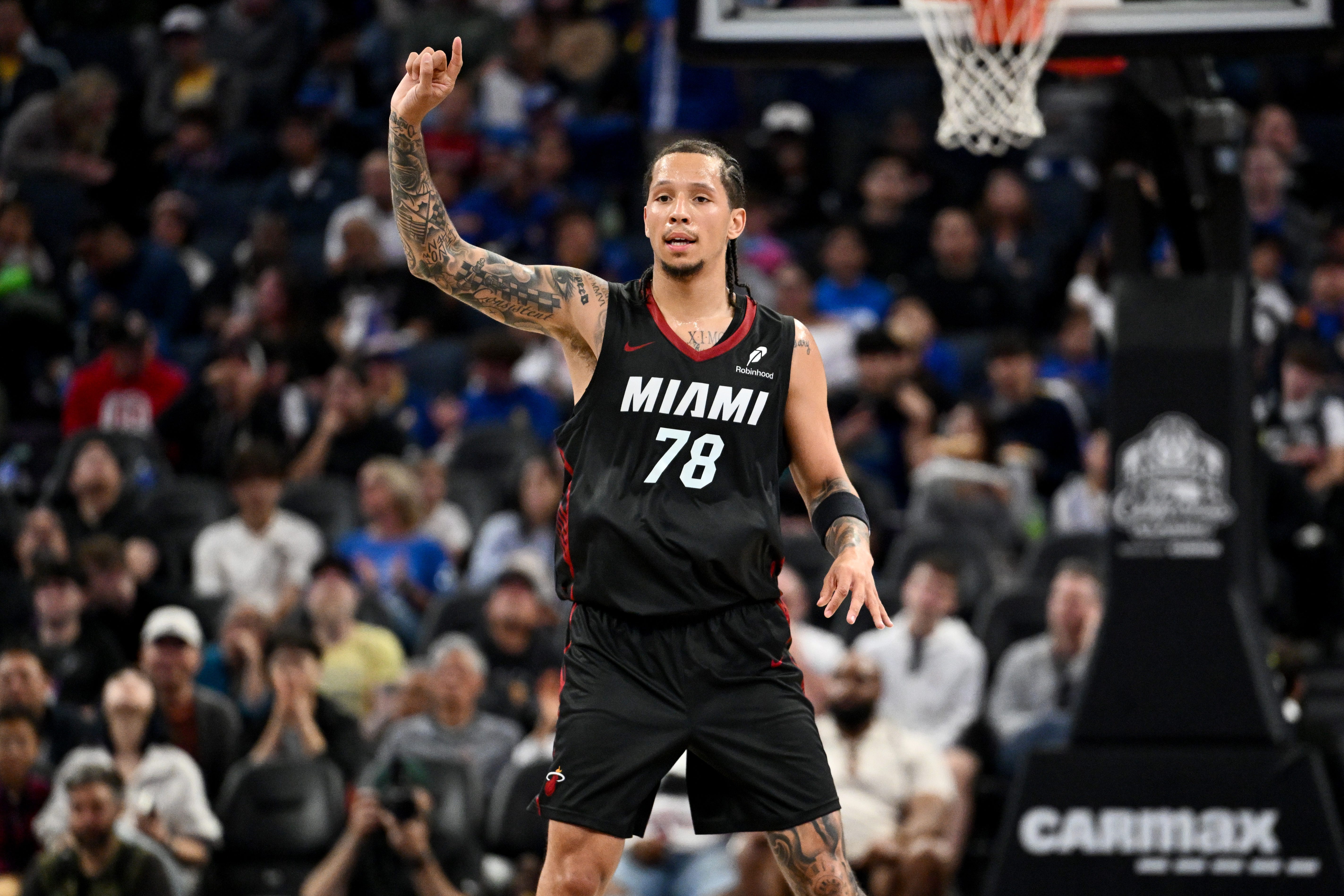
Tre White is another undrafted player who significantly boosted his stock during Summer League.
Based on what I saw, White looks like the type of 3-and-D wing every NBA team is searching for. At 6’7” 210 pounds, he has solid positional size, and he put together a strong showing across both Summer League stops.
White averaged 12.0 points and 4.0 rebounds in the California Classic while shooting 50 percent from the field and 50 percent from three. He took his play to another level in Las Vegas, averaging 17.3 points, 5.8 rebounds, 2.8 assists and 1.8 steals while shooting 40 percent from three on 30 attempts.
The shooting is what stood out most.
White’s perimeter jumper has steadily trended in the right direction. After spending time at USC, Louisville, Illinois and Kansas, he finished his college career by shooting a career best 40 percent from three at Kansas. Before that, he had never shot above 30 percent from deep in a season, making his improvement one of the more encouraging developments in his game.
I’ve actually been following White since his freshman year of high school, when he played alongside former first round pick RJ Hampton at Little Elm High School outside of Dallas. He’s bounced around quite a bit throughout both his high school and college career, but hopefully he’s finally found the right situation in Miami.
I think White has a legitimate chance to stick because his skill set fits exactly what the Heat value. Miami needs shooting, especially on inexpensive contracts, to complement Bam Adebayo and newly acquired Giannis Antetokounmpo, and perhaps even LeBron James if the speculation becomes reality. If White can consistently knock down open threes while defending multiple positions, he’ll give himself a real opportunity to earn a role.
Miami currently has an open two-way contract available along with three open roster spots. I expect at least two of those roster spots to go to experienced veterans, but the Heat have built one of the NBA’s best reputations for identifying overlooked talent and developing undrafted players into rotation contributors. White has the tools to become the next player on that list.
Tre Donaldson | Miami Heat
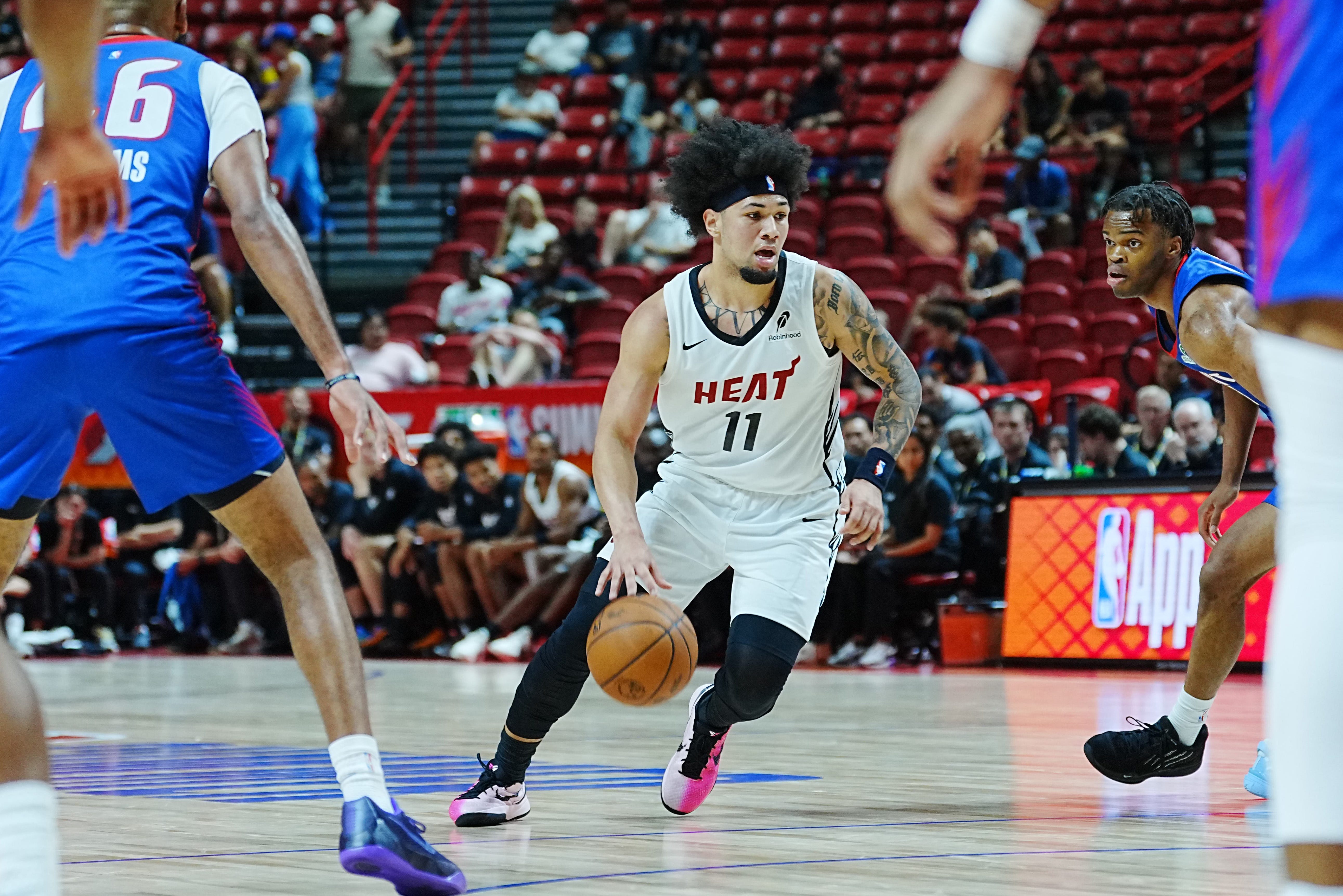
One of Miami’s two-way contracts went to Tre Donaldson, who put together a strong Summer League and looked like one of the more polished point guards in Las Vegas.
Donaldson averaged 16.3 points, 6.8 assists, 4.5 rebounds and 1.8 steals while shooting 53 percent from the field and 43 percent from three in four games. He consistently controlled the pace, created easy opportunities for teammates and showed the toughness and decision-making that made him one of my favorite guards to watch.
His best performances came against Detroit, where he finished with 20 points, eight rebounds, 10 assists and a steal, and against Cleveland, where he posted 22 points, four rebounds, three assists and a steal.
Miami didn’t have to look far to find him. Donaldson spent his final college season with the Hurricanes, averaging 16.4 points, 5.7 assists, 3.6 rebounds and 1.4 steals while earning Second Team All-ACC honors. Before returning home to Florida, he spent two seasons at Auburn before transferring to Michigan, then ultimately finishing his college career in Miami.
Landing with the Heat has to feel like a full circle moment. Donaldson is a Florida native who now gets the opportunity to begin his NBA career close to home with an organization representing his home state.
What stood out most wasn’t necessarily the statistics. It was how naturally his game fits what Miami values. At 6’3” 195 pounds, Donaldson is physically strong, tough, competitive and plays with poise. He’s a floor general who understands how to organize an offense, make the right reads and keep teammates involved while competing on the defensive end.
Including both Summer League stops, Donaldson averaged 13.3 points, 5.6 assists, 4.1 rebounds and 1.7 steals while shooting 51 percent from the field and 40 percent from three over seven games.
The Heat have built a reputation for developing overlooked players into reliable rotation pieces. Donaldson’s toughness, leadership and ability to run a team make him another intriguing developmental prospect who could eventually outperform where he entered the league.
Rienk Mast | Indiana Pacers
Last but not least is Rienk Mast, one of the more intriguing undrafted bigs from this year’s class.
Mast’s journey to the NBA has been anything but conventional. The native of the Netherlands followed a long and winding path that included two redshirt seasons. He spent three years at Bradley before transferring to Nebraska, where he missed the 2024-25 season due to injury before returning last year to average 13.3 points, 5.8 rebounds and 3.1 assists.
Ironically, he now joins the same franchise where fellow Dutchman and Pacers legend Rick Smits, better known as the “Dunking Dutchman,” spent his entire NBA career.
What has always stood out about Mast is his skill level. He’s not an explosive athlete or an upside swing, but he’s a polished offensive big who can score, rebound and facilitate. He’s the type of player you can usually pencil in for double figures because he understands how to play and consistently makes the right decisions.
That translated well to Summer League.
Mast averaged 15.3 points and 9.0 rebounds while shooting 48 percent from the field over four games. He finished fourth in Summer League in rebounding, highlighted by a 23 point, 10 rebound performance off the bench against Toronto and a 16 point, 11 rebound outing versus Cleveland.
None of his production was particularly surprising. At 24 years old, Mast is older and more physically mature than many of the players he faced in Las Vegas. He’s not the type of prospect teams draft solely because of his upside. Instead, his value comes from his experience, feel for the game and polished offensive skill set.
I don’t necessarily see him as a lock to be an NBA player, but I do think he has a chance to carve out a role as a dependable third center who can provide scoring, rebounding and passing off the bench. Those players don’t always generate headlines, but they often find ways to stick around the league for a long time.