
Pressure, Production, and Potential: Sweet 16 NBA Draft Watch (Part II)
Who steps up next as the spotlight shifts to Friday’s matchups

With the first half of this year’s Sweet 16 games wrapped up, it’s time to shift focus to the second slate. But first, it’s worth acknowledging a couple of players previously highlighted who stepped up and helped their teams advance to the Elite 8.
Iowa’s Bennett Stirtz had his most efficient game of the tournament, scoring 20 points and adding four assists as the Hawkeyes knocked off Nebraska. Keaton Wagler didn’t have his best shooting night, but still made an impact across the board, finishing with 13 points and 12 rebounds in a win over Houston.
As always, I evaluate prospects based on the totality of the season. That said, these tournament games still carry value. With Friday’s matchups ahead, prospects will have another opportunity to strengthen their case and perform in high-pressure moments.
Here are a few players I’ll be watching closely:
Braylon Mullins
UConn
Freshman
Wing
6’6” | 195
Age on draft night: 20.1
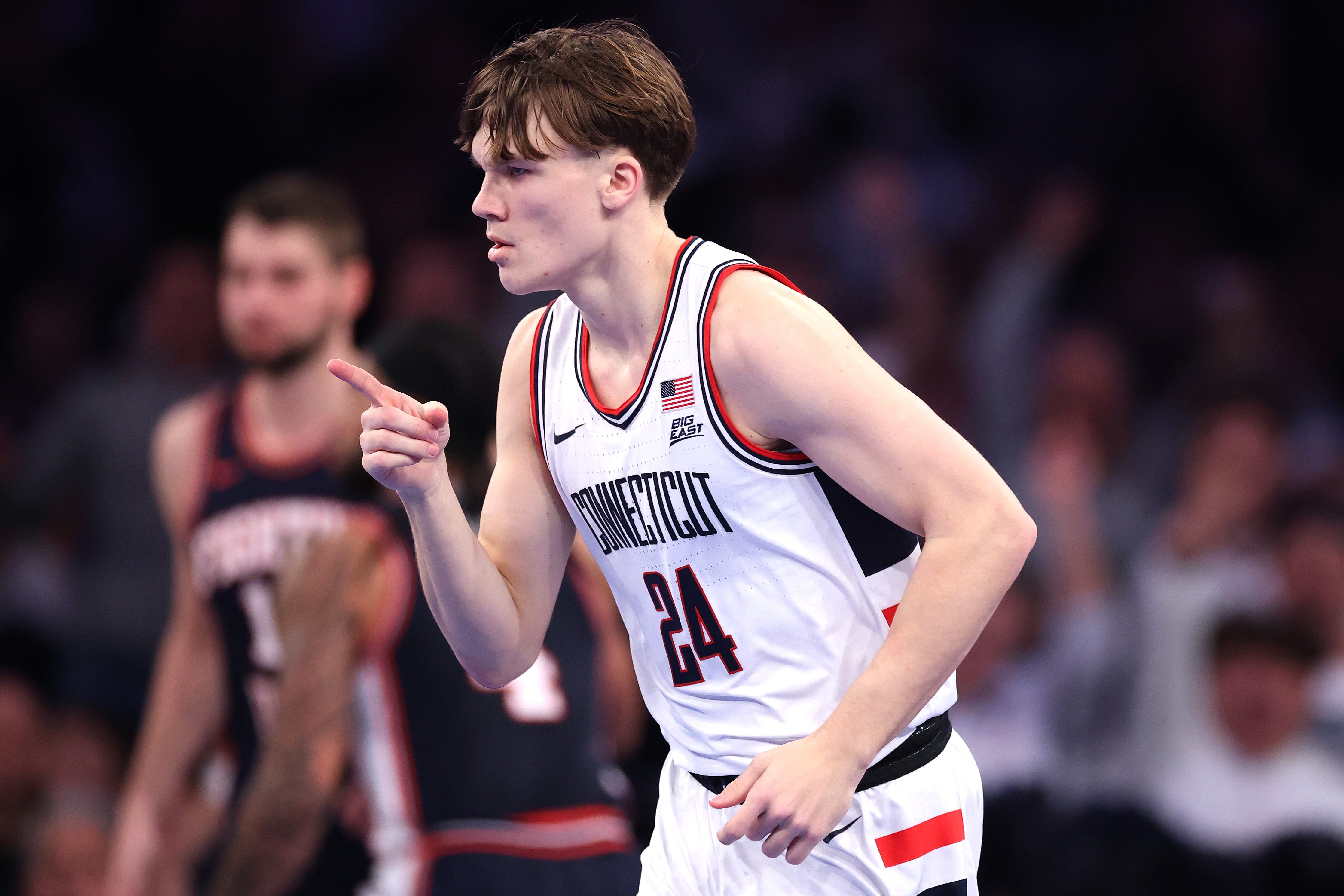
The Streaky Shooter Under the Spotlight
It’s been an up-and-down season for Braylon Mullins, who got off to a slow start due to an early ankle injury. At his best, Mullins has looked like a late lottery pick, especially with his ability to catch fire and knock down threes on the move. At other times, he has struggled with efficiency and keeping defenders in front of him.
On the season, Mullins is shooting just 33 percent from three. He’s been more effective shooting off the dribble, earning a reputation as someone defenders need to chase off the line, but his catch-and-shoot consistency has been an issue. He’s likely a better shooter than the 32.7 percent he’s currently posting, especially when factoring in his AAU track record where he converted 42 percent of his jumpers. Still, with 77 percent of his attempts coming from the perimeter, the concerns are real.
Defensively, Mullins gives effort and has produced counting stats, but he’s also been targeted. In the first round, Furman repeatedly put him in pick-and-roll actions to test his ability to defend in space. While the effort is there, he’s still susceptible to straight-line drives.
Michigan State may not test him as much in space due to their pace, but they defend at a high level and have the personnel to neutralize UConn’s size with Tarris Reed Jr. If UConn is going to advance, they may need a big performance from Mullins.
Jeremy Fears Jr.
Michigan State
Sophomore
Point Guard
6’2” | 190
Age on draft night: 21.2
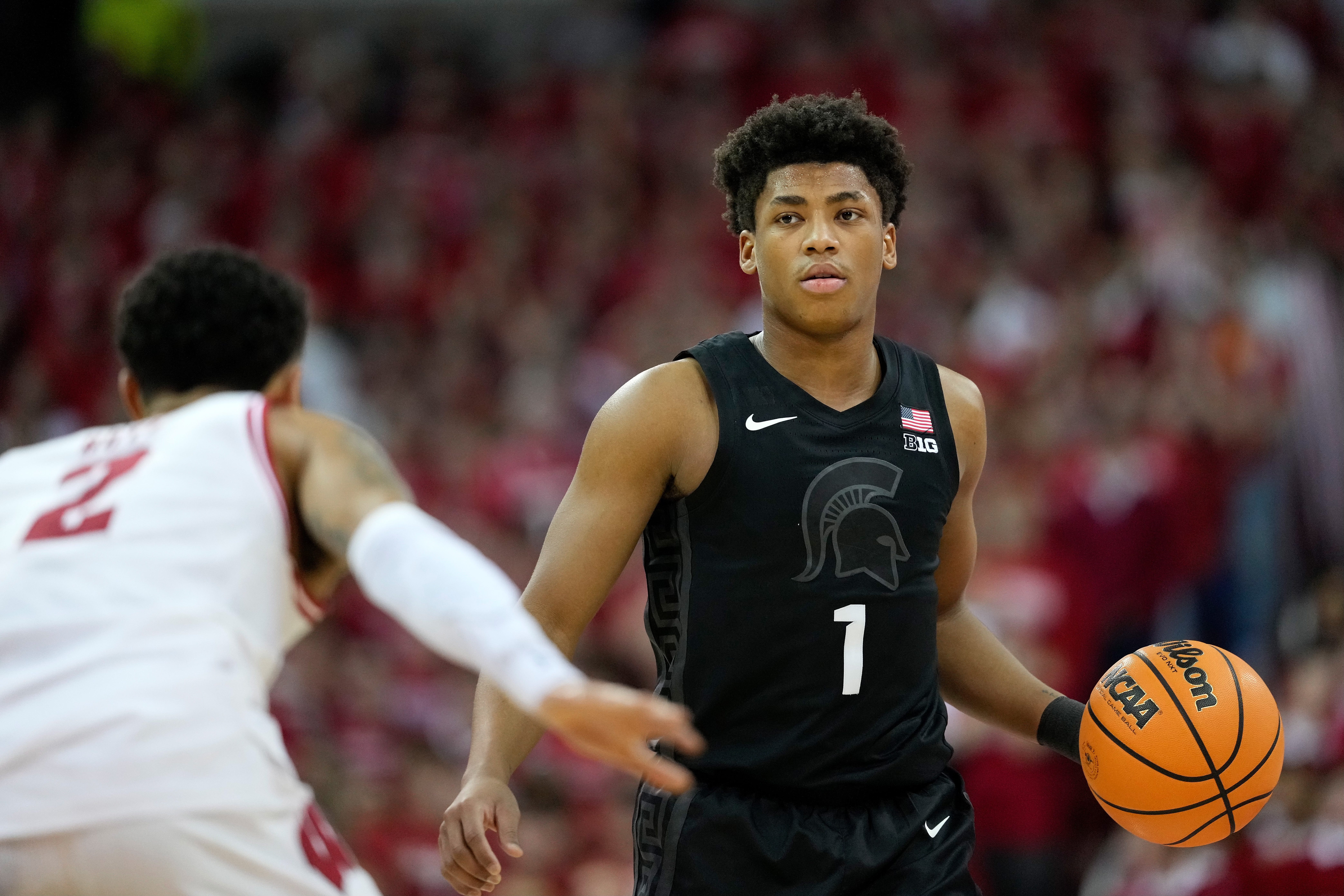
Old School Point Guard, Modern Impact
I’ve had Fears slotted as a late first-round pick for most of the season, and nothing has changed. Even with the depth of guard play nationally, Fears has a strong argument as the best point guard in college basketball.
He’s averaging 15.3 points and 9.4 assists per game for a Michigan State team that isn’t loaded with NBA talent. Fears is a true floor general. He controls the offense, throws timely lobs, pushes the pace in transition, and scores in crafty ways.
He’s putting together one of the best point guard seasons in program history, which says a lot considering players like Magic Johnson, Mateen Cleaves, and Cassius Winston have come through East Lansing.
This Sweet 16 matchup isn’t about proving he’s an NBA player. It’s another opportunity to show why his intangibles translate. I’ve compared him before to TJ McConnell. Both are pure point guards who thrive off pace, decision-making, and pull-up shooting. McConnell has carved out a long NBA career, and Fears has a similar blueprint.
Aday Mara
Michigan
Junior
Big
7’3” | 255
Age on draft night: 21.2
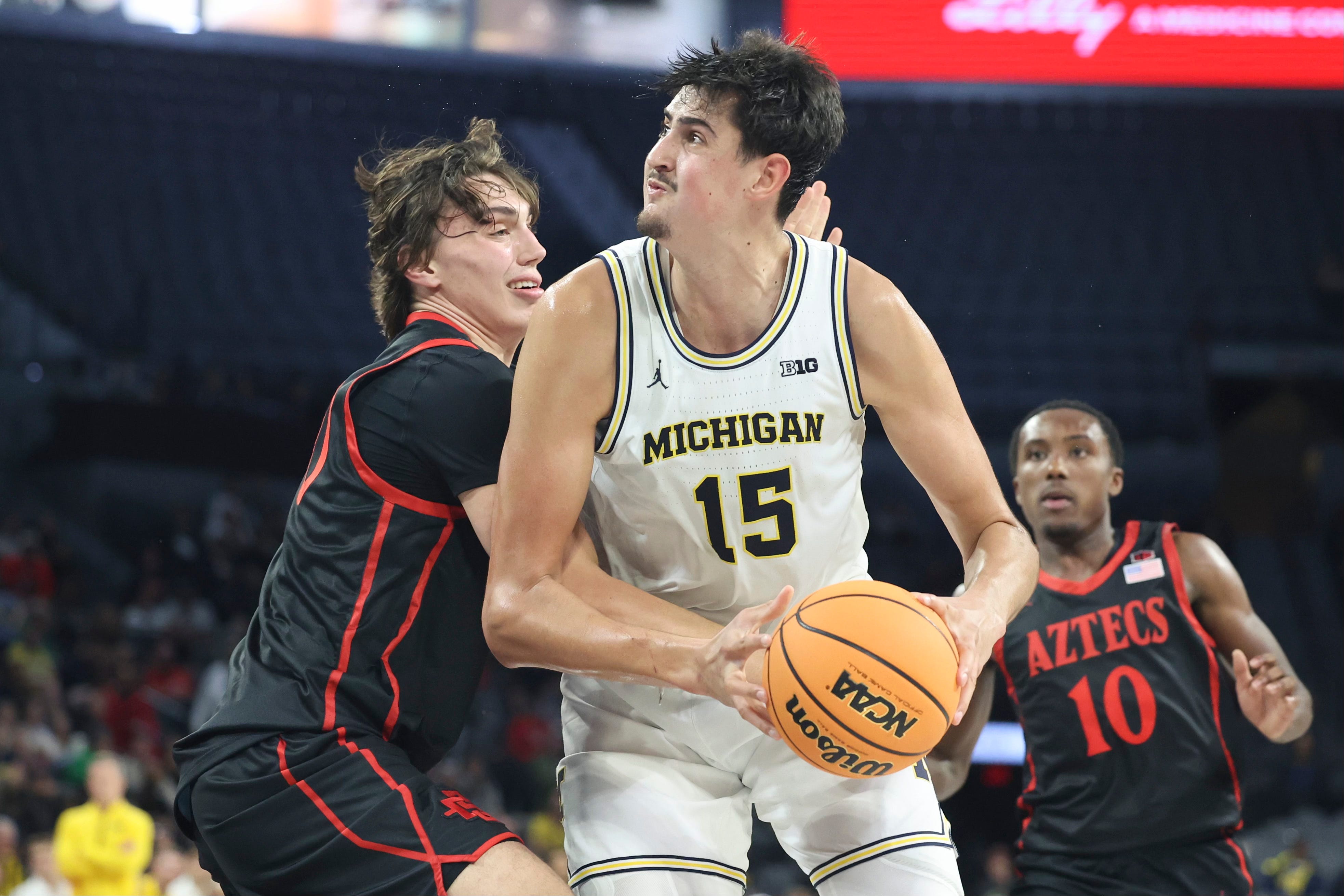
From Question Mark to First Round Lock
I mentioned being early on the Jeremy Fears Jr first-round conversation. With Aday Mara, I was on the opposite side.
Coming into the season, I had real doubts about Mara as a prospect, especially after two underwhelming seasons at UCLA where he averaged just five points and three rebounds per game. But a change of scenery has made all the difference. The move to Michigan has revitalized his draft stock, and he now looks like a clear first-round pick.
Timing matters. With the recent success of bigs like Donovan Clingan and Zach Edey, the league has shown there’s still value in size when paired with skill. Mara fits that mold.
I believe Mara is Michigan’s best NBA prospect, even ahead of Yaxel Lendeborg and Morez Johnson. His combination of size, rim protection, and passing gives him the edge. The biggest concern I had was his mobility, and to this point, he has done a good job addressing that.
Now comes the real test. Alabama plays at one of the fastest paces in the country and spreads the floor with an NBA-style offense. Mara has shown he can defend in space, but he hasn’t faced anything quite like this yet.
Nate Ament
Tennessee
Freshman
Wing
6’10” | 210
Age on draft night: 19.5
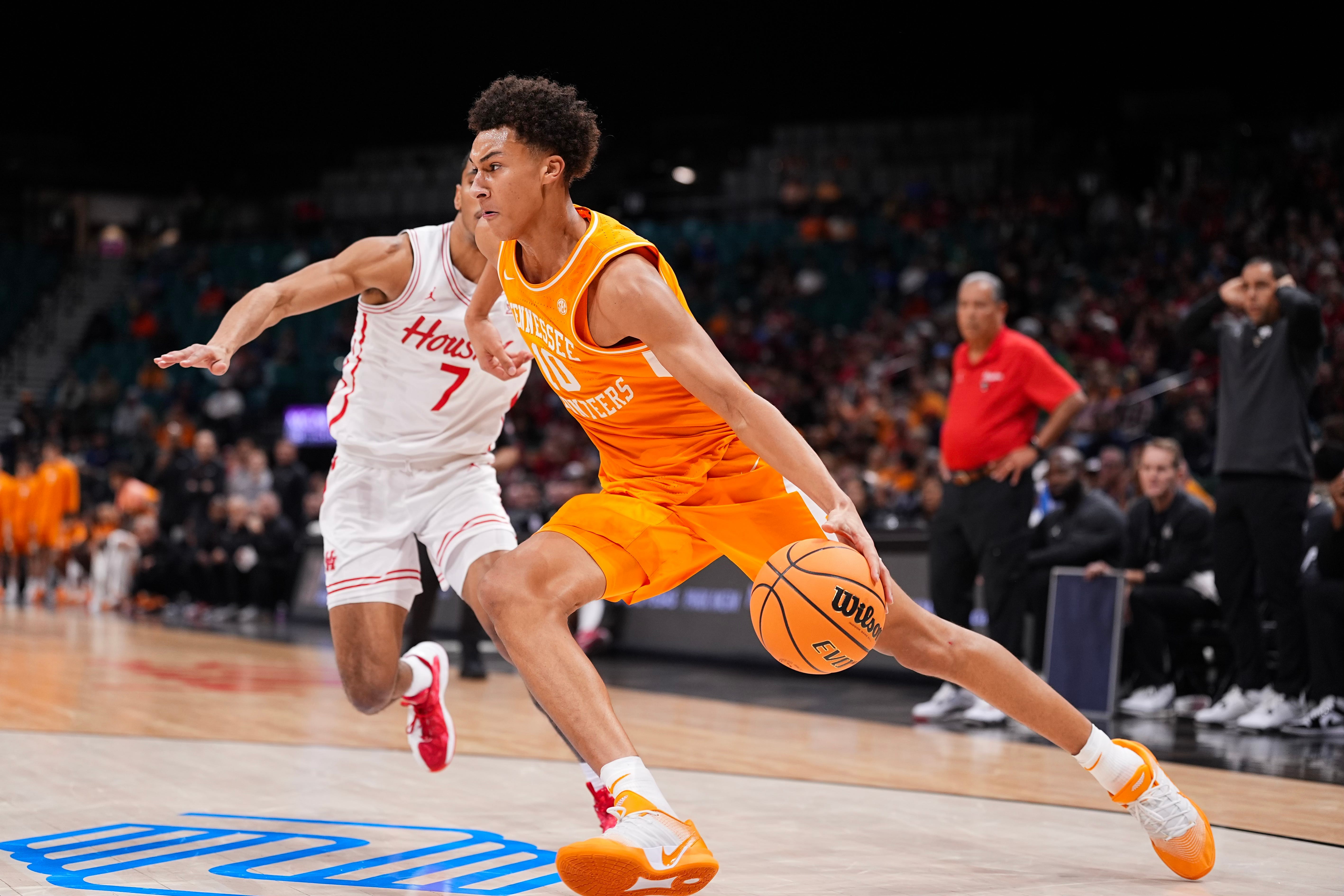
The Balance Between Potential and Production
Ament bounced back from a rough opening game with a 16-point performance in a win over Virginia. Still, it was a typical Ament outing. Missed layups, contested jumpers, and a heavy reliance on free throws.
Tennessee keeps advancing, and ultimately that’s what matters most. But from a scouting perspective, you’d like to see more consistency and efficiency, especially this deep into March.
A big performance may be necessary against Iowa State. The status of Joshua Jefferson is uncertain, but the Cyclones are well-coached and will defend at a high level regardless. Tamin Lipsey is capable of making life difficult for Tennessee’s guards, which could shift more responsibility onto Ament.
If matched up with Killyan Toure, Ament will have a size advantage, but Toure’s on-ball pressure could still present problems. One of Ament’s biggest issues has been creating space and consistently getting to the rim, and this matchup may not make that any easier.
I still view Ament as a top-20 pick who will likely scale into a more defined role at the next level. But this is the type of stage where a signature performance could elevate his stock even further.
This stage is not about overreactions, it’s about context. We are not rewriting evaluations off one game, but we are paying attention to how these players respond when the stakes rise. Who adjusts, who produces, and who can impact winning in different ways. Because as the tournament moves forward, the game tightens, the pressure builds, and for NBA scouts, this is where small details start to carry a lot more weight.