
International Men of Mystery 2026: My Personal Evaluations of This Year's International Class
After spending a season scouting across Europe, here are my thoughts on the five international prospects who kept their names in the 2026 NBA Draft.

I’m baaaaack!
After spending the past season as an international scout for the Dallas Mavericks, I’m returning to the content side of basketball following changes and restructuring within the organization’s front office. While I’m disappointed my time with the Mavericks came to an end, I can honestly say it was one of the most rewarding experiences of my life.
Over the last nine months, I traveled across Europe evaluating prospects and getting an up close look at the next wave of international talent hoping to make the jump to the NBA and, increasingly, American college basketball. I’m incredibly grateful to the Mavericks organization for giving me the opportunity to turn a lifelong passion into a dream job.
With that in mind, it feels fitting that my first article back is focused on the international prospects in the 2026 NBA Draft.
Before I dive in, I want to make one thing clear: the opinions shared in this article are entirely my own and are based on my personal evaluations. They are not reflective of any internal discussions, rankings, or viewpoints from the Dallas Mavericks organization. This is simply my assessment of the five international prospects who remain in the draft after spending a season evaluating talent across Europe.
After spending this season abroad, one trend became impossible to ignore: the path from international basketball to the NBA is changing.
The NBA has never been more global, yet the pipeline of international talent entering the draft is beginning to look very different.
A record 135 international players representing 43 countries across six continents appeared on NBA opening night rosters during the 2025-26 season, highlighting the league’s continued international growth. Europe remains the NBA’s most productive region, accounting for 71 players, while France set a new benchmark with 19 players on opening night rosters. Australia continued its strong presence with 13 players, and every NBA team featured at least one international player. The league has now opened a season with at least 120 international players for five consecutive years and has maintained a triple digit international presence for more than a decade.
Yet despite the NBA’s increasingly global footprint, the 2026 NBA Draft tells a different story.
Just two years ago, France delivered one of the most impressive draft classes in recent memory, producing four first round selections, including three of the top six picks: Zaccharie Risacher at No. 1, Alex Sarr at No. 2, Tidjane Salaün at No. 6, and Pacôme Dadiet at No. 25.
Last year, the 2025 NBA Draft featured 23 international players from 15 different countries, with prospects such as VJ Edgecombe, Egor Demin, Khaman Maluach, Noa Essengue, Yang Hansen, Joan Beringer, Nolan Traoré, Kasparas Jakučionis, Will Riley, Ben Saraf, Hugo González, and Yanic Konan Niederhauser all hearing their names called in the first round.
This year, however, only FIVE international early entrants have elected to remain in the draft.
The dramatic decline is not necessarily a reflection of talent. Instead, it may be one of the first visible consequences of the NIL era. For decades, Europe’s top prospects followed a relatively straightforward path: develop professionally overseas and enter the NBA Draft when ready.
Today, many of those same players can earn significantly more money, gain greater exposure, and compete against high level competition by spending a year or two playing college basketball. The result is a changing developmental landscape that is reshaping both the college game and the international draft pipeline.
With only five international early entrants still in the 2026 NBA Draft, this year’s class offers a fascinating snapshot of a new reality, one in which elite international prospects increasingly view college basketball as a more attractive alternative than staying overseas.
1. Jack Kayil
Alba Berlin (Germany)
Combo Guard
6’3.5” | 189
Age on draft night: 20.3
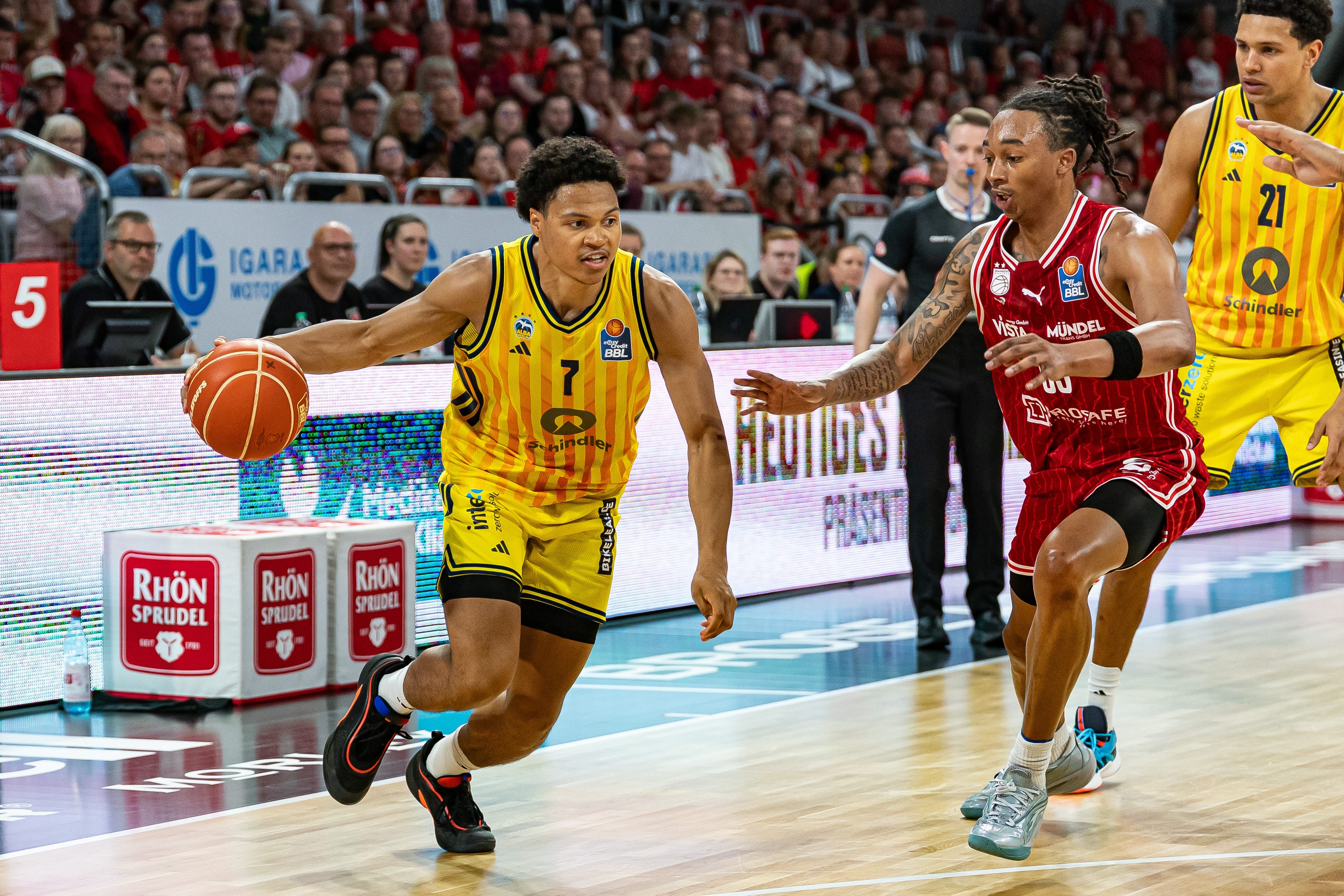
My top international prospect in this draft class is Jack Kayil from Alba Berlin.
Kayil is a player I’ve been watching for years, and I’ve always felt he was a little under the radar while playing for Germany’s national teams. He often played in the shadows of Christian Anderson and Hannes Steinbach, who are both expected to be first round picks in next week’s draft. But Kayil played a significant role in Germany’s success at the FIBA U16 and U18 EuroBasket championships and their runner-up finish at the FIBA U19 World Cup last summer.
Even as one of his biggest supporters, I was surprised by how quickly he established himself this season in a starting role for Alba Berlin. He helped lead Alba to the German BBL Finals, where they are battling Bayern Munich and currently trail the series 2-1. For a 20 year old point guard to play such a prominent role on a Finals team in Europe, where coaches are often hesitant to trust young players, makes his breakout season one of the biggest revelations I've seen this year.
The first thing that stands out about Kayil is his positional size. He’s a big guard who can play on or off the ball. When he played alongside Anderson on the German national team, he spent much of his time off the ball, but this season he handled primary playmaking duties and showed the ability to score at all three levels.
What I appreciate most about his game is that he impacts winning in multiple ways. He can run a team, create offense, and score, but he also embraces the dirty work. He rebounds, makes defensive plays, provides toughness, and shows natural leadership. Despite being one of the youngest players on the floor, the trust his teammates placed in him throughout the season was something that consistently stood out.
If you look strictly at the numbers, efficiency may be a concern. Kayil is averaging 12 points, 3 rebounds, and 3 assists per game on 38/30/78 shooting splits in 21 minutes per game over 63 contests this season. While the percentages may raise eyebrows, I think they require context. He often finds himself taking difficult late clock shots and bailing out possessions that have broken down offensively. Those situations hurt his efficiency, but they also speak to the level of responsibility he carries and the trust his teammates have in him to make something out of nothing.
One of the things I like most about Kayil is his ability to get downhill and create off the dribble. His toughness and how he competes also stood out to me this season. There was a stretch in the middle of the year where he was dealing with a calf strain, and I attended multiple games unsure whether he would even suit up. Not only did he play, but he battled through the injury, even though it clearly limited some of his explosiveness attacking the rim.
If I have one criticism, it’s that I would like to see him attack the paint more consistently. Some of his reliance on jump shots can be attributed to late clock situations, and some was likely related to the calf injury. Still, for a player with his size, strength, and offensive creativity, I think there’s another level he can reach by putting more pressure on the rim.
As the season progressed, I became convinced he was a first round talent. I’ve had him graded as a first round pick since January, and I even thought that if he had gone to Gonzaga, where he was originally committed, he would have been a lottery pick in the 2027 NBA Draft.
While some were surprised that he chose to remain in the 2026 draft, I wasn’t. Based on how well he played this season, the decision made complete sense to me. And judging by the buzz surrounding him late in the process, it appears I wasn’t alone in that evaluation.
There is growing belief around the league that he may already have a promise in hand, which could explain why he decided to keep his name in the draft.
2. Sergio de Larra
Valencia (Spain)
Combo Guard
6’6” | 204
Age on draft night: 20.5
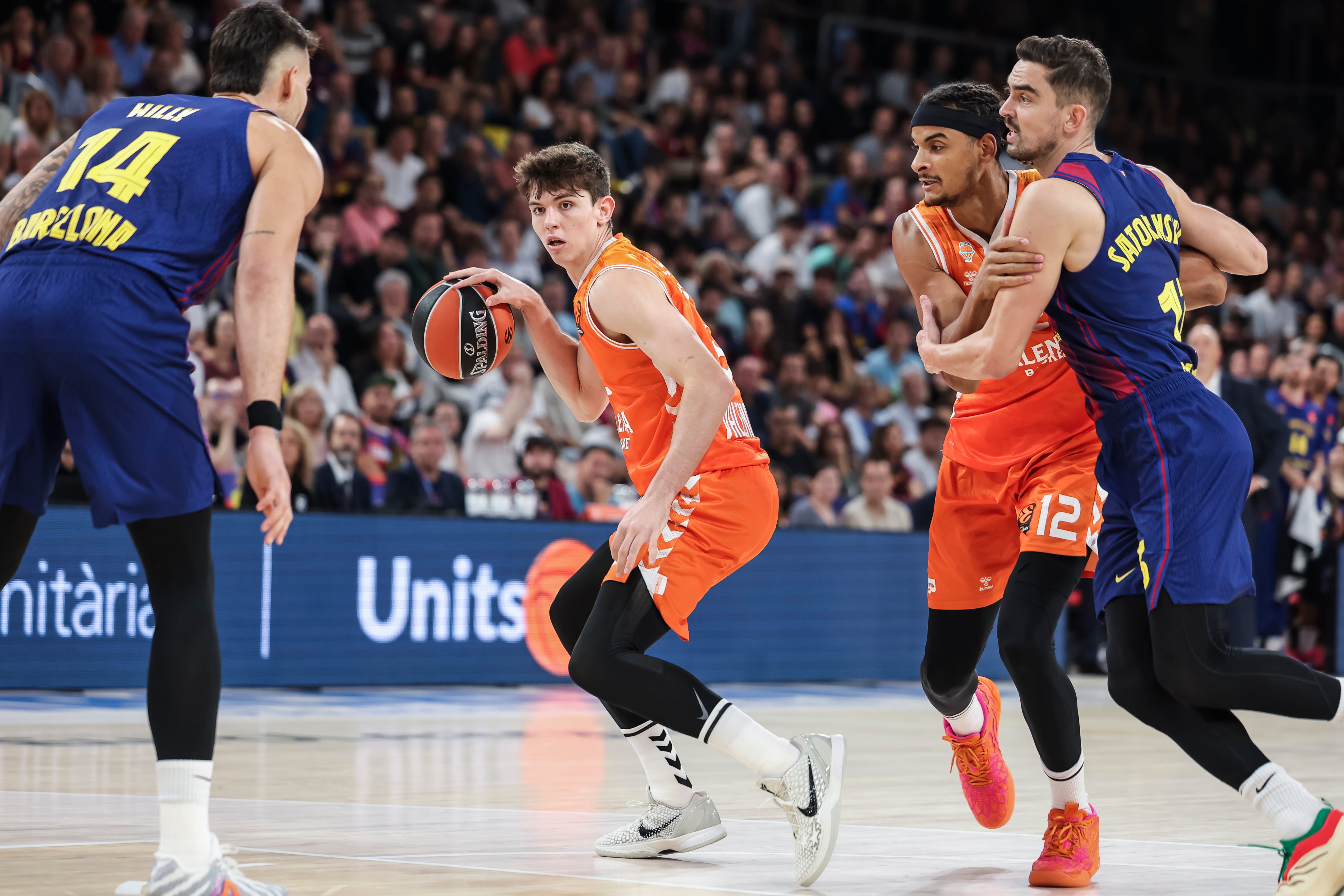
Valencia’s Sergio de Larrea, similar to Kayil, plays an important role on a team with championship aspirations. De Larrea was a key contributor in Valencia’s run to the Final Four, and by the time you read this article, the first game of the Spanish ACB Finals against powerhouse Barcelona will likely already be complete.
De Larrea is a player I’ve followed closely this season and one I’ve been tracking for several years. The first time I saw him play in person was at the Adidas Next Generation Tournament in Belgrade in 2022, an event that featured future lottery picks Zaccharie Risacher and Nikola Topić. De Larrea more than held his own, standing out with his all around production and creative playmaking. He consistently filled the box score while flashing high level passing instincts, and his blend of size, vision, and feel for the game convinced me he was among the best young playmakers in Europe.
While it now seems highly unlikely he’ll hear his name called in the lottery like Risacher and Topić, I’m glad to see him generating first round buzz again. His momentum seemed to fade entering this season, and I think a lot of that can be traced back to his struggles against Team USA at the 2022 FIBA U17 World Cup.
What many people may not realize is that De Larrea was playing through an injury at the time. Going against an uber athletic Team USA featuring Cooper Flagg, Ron Holland and Asa Newell while dealing with a leg injury. He looked uncomfortable, struggled against ball pressure, and appeared out of place. I believe those performances influenced how some evaluators viewed him.
This season, however, he’s done a lot to quiet those concerns.
What I like about De Larrea is his positional size. His measurements from last week’s combine were encouraging. He measured 6’6” 204 pounds, with a 6’9” wingspan, giving him excellent size for a perimeter player. I don’t know if he’s a full time NBA point guard, but with his size, passing, and shooting, I can easily envision him as a complementary ball handler and jumbo creator who can fit in a variety of systems and play on or off the ball.
This season, he played alongside Jean Montero, one of the best players in Europe, and often split ball handling duties while also spending time off the ball. He's currently shooting over 40 percent from three, and although the volume isn't high, he has established himself as a dependable spot up shooter.
At first glance, De Larrea doesn’t appear to be a great athlete, but he has the ability to get to the basket. Whether it’s through angles, timing, or craftiness, he generates more paint touches and gets two feet in the lane far more often than you’d expect. In that sense, I think his athleticism is a little deceptive.
Another thing I really admire is how he handled the ups and downs of this season. He got off to a hot start, which generated significant NBA buzz, but then went through a stretch of nearly a month where he was completely out of Valencia’s EuroLeague rotation. That’s the reality for many young players in Europe, especially in Spain, which is arguably the toughest domestic league in the world.
What impressed me was how he responded. There were games where I’d travel to watch him and he’d barely see the floor, yet he remained engaged and supportive as a teammate. Then he’d get another opportunity and immediately make the most of it, forcing the coaching staff to play him.
One example came during Valencia’s EuroLeague playoff series against Panathinaikos. I attended one game specifically to watch De Larrea, only for him to receive a DNP-CD. I was disappointed because I wanted to see how he’d respond in that environment. Thinking his role wouldn’t change, I skipped the next game. He then responded with one of his best performances of the season, finishing with 18 points on 5-8 shooting, including 4-7 from three, while adding four assists in just 20 minutes. He remained in the rotation for the rest of the playoffs.
That resilience is one of the reasons I’m high on him. He has had to navigate inconsistent minutes, a demanding coach, and the pressure that comes with playing for a team competing for championships, yet he continued to produce whenever his number was called.
Don't let the boyish face fool you. There's toughness and competitive fire there, and I thought he responded well when opposing teams tried to target him defensively. He's far from a stopper, but he competes, and he does a good job of using his size and length as a help-side defender.
And if you’re a fan of high-IQ players, you’ll probably appreciate De Larrea even more. Around Europe, he’s known for his intelligence and maturity. While competing as a professional in one of the toughest leagues in the world, he has also been pursuing studies in engineering, which speaks volumes about his discipline, work ethic, and ability to process information.
3. Karim Lopez
New Zealand Breakers (from Mexico)
Combo Forward
6’8” | 221
Age on draft night: 19.1
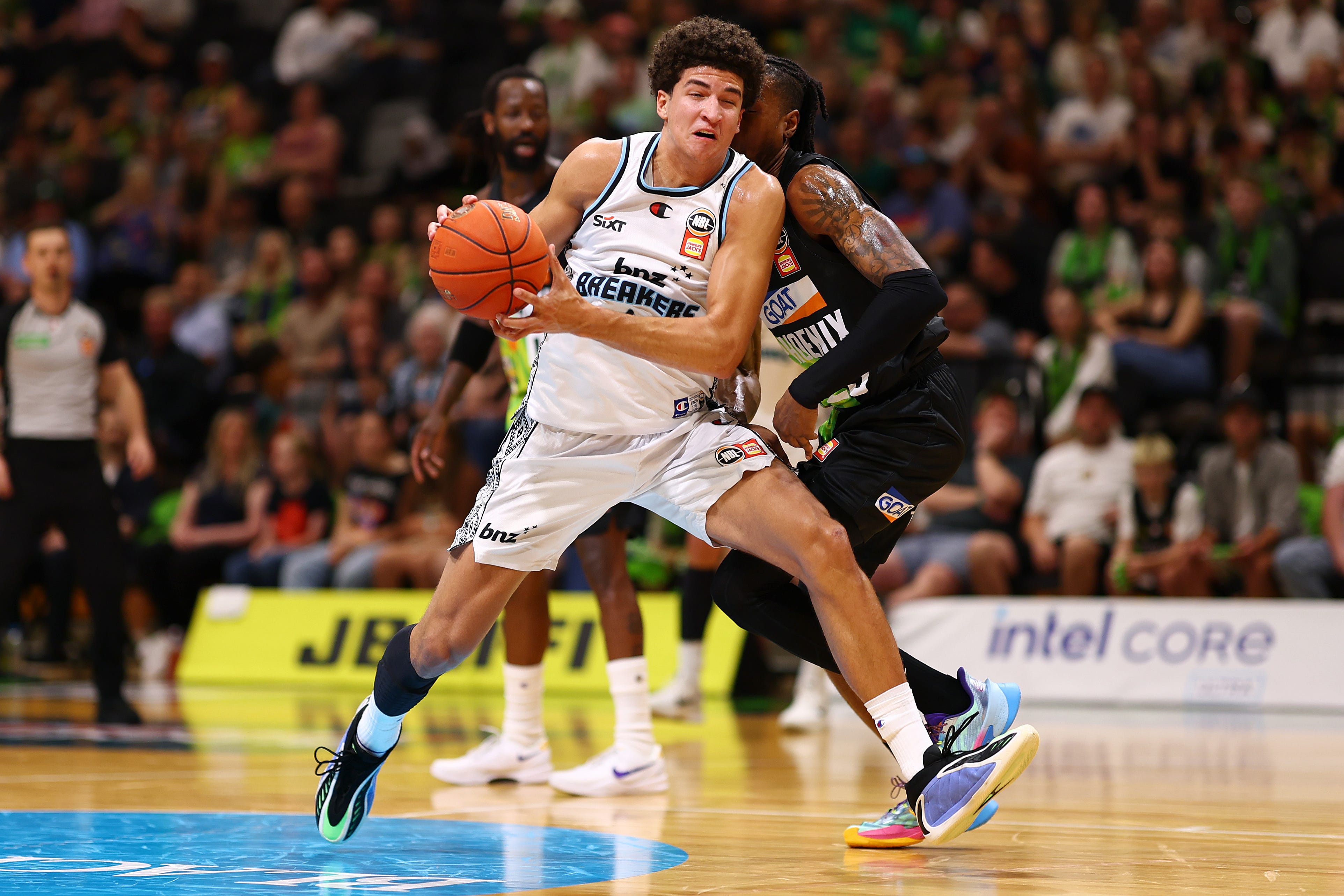
Now, I’m going against the grain here, as I fully expect Karim Lopez to be the first international prospect, or at least the first player who spent this season outside of the United States, selected in the draft. There’s even a chance he comes off the board in the late lottery.
I haven’t had an opportunity to watch Lopez in person, but I’ve studied a lot of film on him over the past few seasons. What immediately stands out is his NBA frame, he’s listed at 6’9” and 220 pounds with broad shoulders, a strong frame and he plays with physicality. He embraces contact, looks to punish smaller defenders, and brings a level of toughness that translates well to the NBA game.
He’s a good athlete who generates his fair share of self created dunks in the half court, has impressive vertical pop around the rim, and can make plays in the open floor. I also think there are flashes of offensive creativity that can be unlocked down the line. He has natural instincts in the paint, can make plays as a face up four, and is a productive rebounder from the wing.
While shooting remains an area for improvement and he only shot 32% from deep on the season, he did convert 41 percent of his uncontested catch & shoot threes. He also showed noticeable growth as a passer and decision maker, improving his assist-to-turnover ratio and demonstrating better overall feel for the game.
My concerns center more around role projection than talent. While Lopez is a good athlete, I don’t necessarily view him as particularly quick or explosive off the bounce. The jump shot is inconsistent, and some of the misses are concerning.
Defensively, I think there is still plenty of room for growth. He’s susceptible to getting cooked on straight line drives, is often caught watching the ball, and doesn’t consistently contest shots.
Ultimately, I have questions about what his ideal NBA role looks like. With players like Kayil and De Larrea, it’s relatively easy to envision them fitting into lineups as secondary ball handlers, which is an incredibly valuable role in today’s NBA. Lopez is a little tougher to project. He’s clearly a combo forward, but is he a three or a four? That’s the question I keep coming back to.
That said, there’s a lot to like about his long term upside, and I fully expect to hear his name called early on draft night. In fact, I would be surprised if he falls beyond the San Antonio Spurs at No. 20.
4. Vsevolod Ishchenko
Lokomotiv Kuban (Russia)
Wing
6’8” | 215
Age on draft night: 21.4
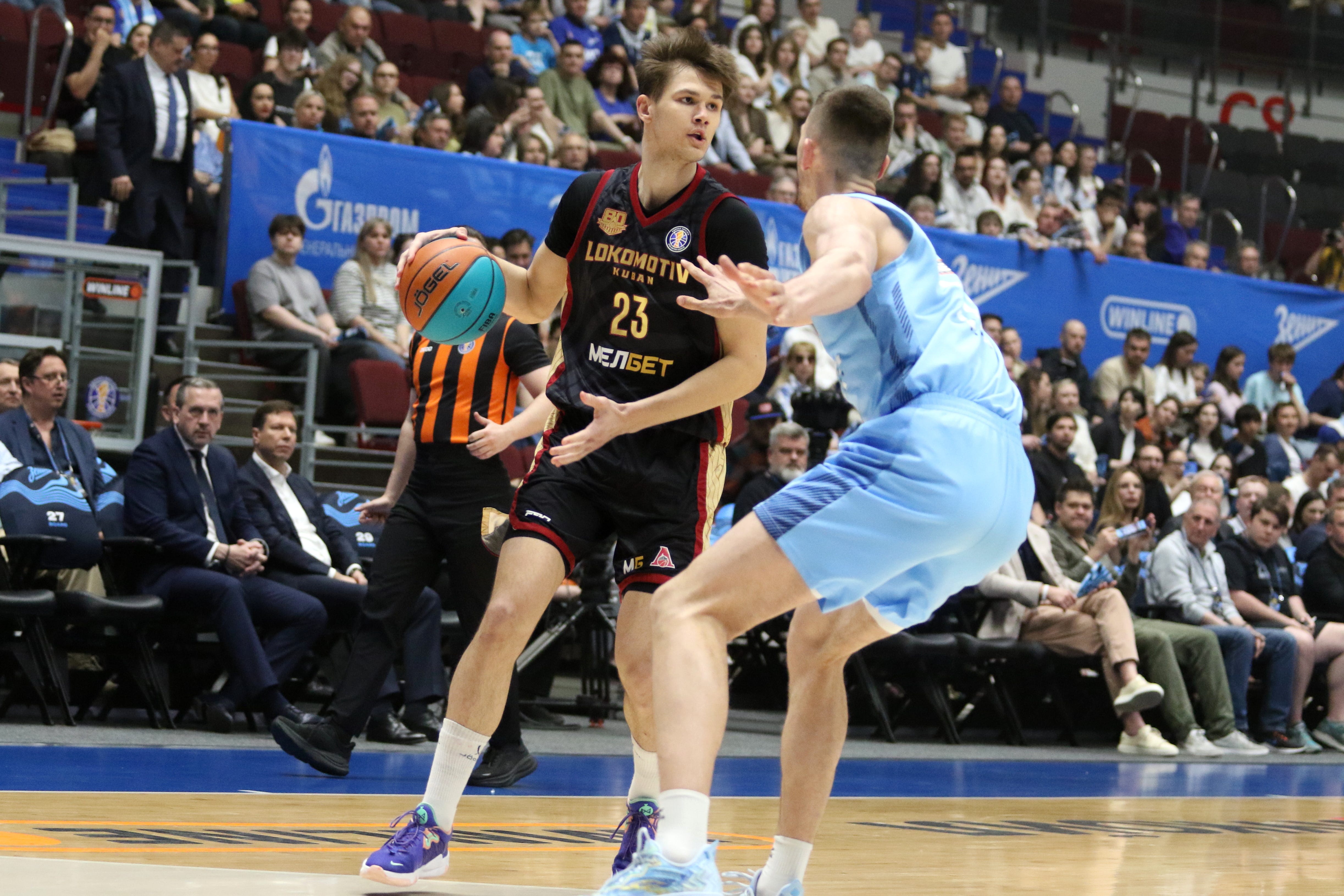
Ishchenko is probably the biggest mystery among the international prospects in this class.
The first question that comes to mind is why he didn’t seriously explore the college route. When I first saw his name as an early entrant, I assumed he was testing the waters to generate exposure among college programs looking for international talent. To be honest, that still could end up being the case. We’ve seen situations where players go through the draft process and still end up in college afterward, but I am surprised that Ishchenko chose to remain in the draft.
While I believe Kayil, De Larrea, and Lopez are all safely within the top 35 prospects and could potentially all be first round picks, Ishchenko feels like the biggest gamble of the group.
There are definitely things I like about his game. He’s listed at 6’8”, although I’ll be honest, when I first started watching him on film, I didn’t see a player who looked that tall. Maybe he grew during the season, and I didn’t have the opportunity to watch him in person, but I do have some questions about whether he’s a true 6’8”. That said, he has a mature frame and is a good athlete.
He’s one of those players who looks much more athletic when he has a runway in transition than he does in tight spaces. He’s not a particularly quick twitch or explosive athlete in the half court, but he’s at his best in the open floor where he scores a good chunk of his points.
I do think there's legitimate upside as a shooter. He connected on 46% of his shots from deep and knocked down 52% of his catch & shoot threes. While the sample size is relatively small, he also converted 11 of his 17 contested threes off the catch. In today's NBA, where shooting is one of the most valuable skills a role player can possess, those numbers are going to attract the attention of NBA scouts.
For much of the season, he operated as a second side scorer, spending a lot of time in the corners and attacking opportunities that came his way. He’s an instinctive cutter, loves to get out in transition, and plays with a level of toughness that I appreciate. I know it’s a stereotype to associate toughness with Russian players, but there is definitely an edge to the way he plays.
He’s a high risk, high reward passer who isn’t afraid to squeeze passes in tight spaces.
Most of my concerns revolve around his decision making and offensive creativity. He doesn’t really have much to offer off the bounce, he can be sped up when forced to create and too often he drives in the paint without a plan. His assist-to-turnover ratio is deep underwater with nearly more 40 more turnovers than assists, so I have big questions about his feel and basketball IQ. While he has the confidence to attempt creative passes, too many of them end up off target.
Defensively, I actually think he’s better on the ball than off it. Away from the action, he has a tendency to ball watch, over help, and lose track of shooters.
As things stand today, I have a difficult time seeing him get drafted. Maybe he sneaks into the second round, and perhaps there’s a team that likes him more than I do, which would explain why he decided to stay in the draft. But from the outside looking in, I still think college basketball would have made a lot of sense. Given the current landscape, he could likely earn more money, receive more exposure, and have an opportunity to develop his game in a larger role.
Then again, the fact that he remained in the draft suggests there may be more interest around the league than many of us realize.
5. Mohammad Amini
SLUC NancyBasket (from Iran)
Wing
6’7” | N/A
Age on draft night: 21.2
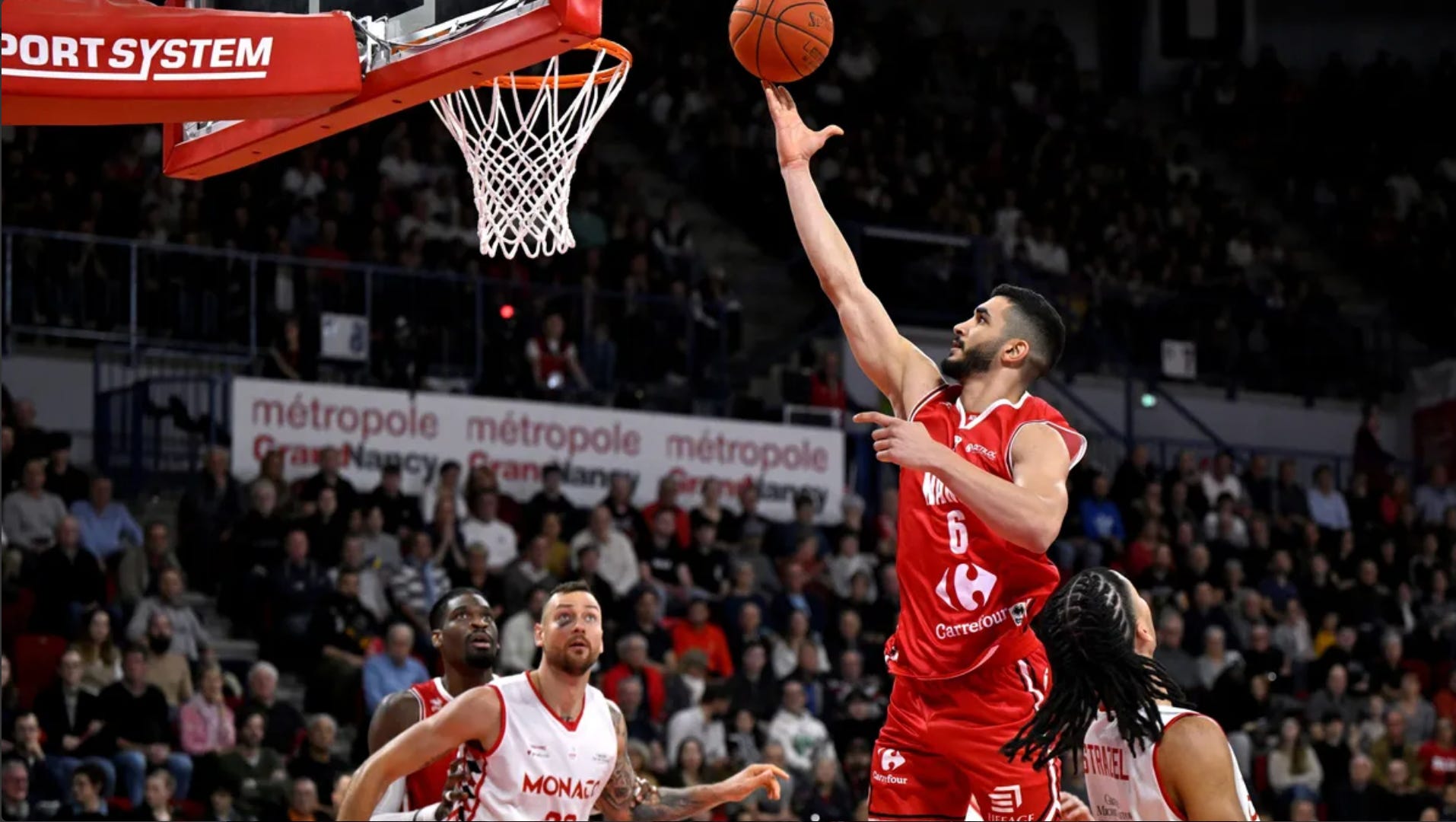
Last but not least is Mohammad Amini, and I’ll be honest, his decision to keep his name in the draft is a head scratcher to me.
Amini spent the last two seasons playing for SLUC Nancy in France’s top division. He first came onto my radar a few years ago with his strong play during the 2024 FIBA Asia Cup qualifiers, where he was one of the tournament’s leading scorers, averaging nearly 16 points per game while shooting 60 percent from the floor and grabbing 6.2 rebounds. He followed that up with another productive summer at the FIBA Asia Cup Division A tournament, averaging 14 points and nearly six rebounds while helping Iran capture the bronze medal.
Before making the jump to the professional level, Amini was one of the leading scorers in France’s Espoirs U21 league. This season, he carved out a rotation role for Nancy and averaged seven points per game on a team that finished below .500.
There are definitely some things to like about his game. For starters, he looks physically mature for his age and has a solid skill package. At 6’7” he shows hints of offensive creativity, and has better straight line speed and burst than you might expect. He likes to use his strength to get downhill, bully smaller defenders, and create advantages in the post.
He’s also a willing passer. He can make reads on the move, find cutters, locate shooters, and consistently looks to move the ball ahead in transition. He’s unselfish and has enough playmaking ability to create opportunities for others when defenses collapse.
My biggest question is simple: what is the defining NBA skill that he can hang his hat on?
For a player his size, the shooting numbers are difficult to ignore. Throughout both FIBA competition and his professional career, he has struggled to consistently make perimeter shots. He’s a career sub-34 percent three point shooter in international competition and connected on just 25 percent of his threes this season. More concerning, he’s often reluctant to take open threes.
When you’re 6’7” and not an elite athlete, elite defender, or reliable shooter, it becomes difficult to identify a clear NBA role.
Athletically, I also have concerns. He’s not an NBA level athlete by any means. He’s somewhat stiff, doesn’t play above the rim, and I think his balance can be an issue at times. He spends a lot of possessions on the floor, and when he’s forced to create against athletic defenders, his handle isn’t quite tight enough to consistently beat pressure on the wing.
Defensively, I see similar concerns. He’s more physical on offense than he is on defense and often looks like a one effort defender. He doesn’t generate many steals, doesn’t provide any rim protection, and I don’t see the type of defensive impact that would offset the shooting concerns.
That’s why his decision to remain in the draft is surprising to me. In today’s basketball landscape, a player with his résumé could likely earn good money and receive significant developmental opportunities in college basketball. Maybe there’s more NBA interest than I’m aware of, but based on what I’ve seen, I would have viewed college as the better path.
Still, Amini has carved out a solid professional career at a young age and has been productive on the international stage. It only takes one team to see something they believe they can develop, but among the five international prospects who remained in the draft, he’s the one I have the most questions about as an NBA prospect.
Welcome back, Rafael. I have to say James has done an outstanding job in your absence.